
Last updated October 16, 2026
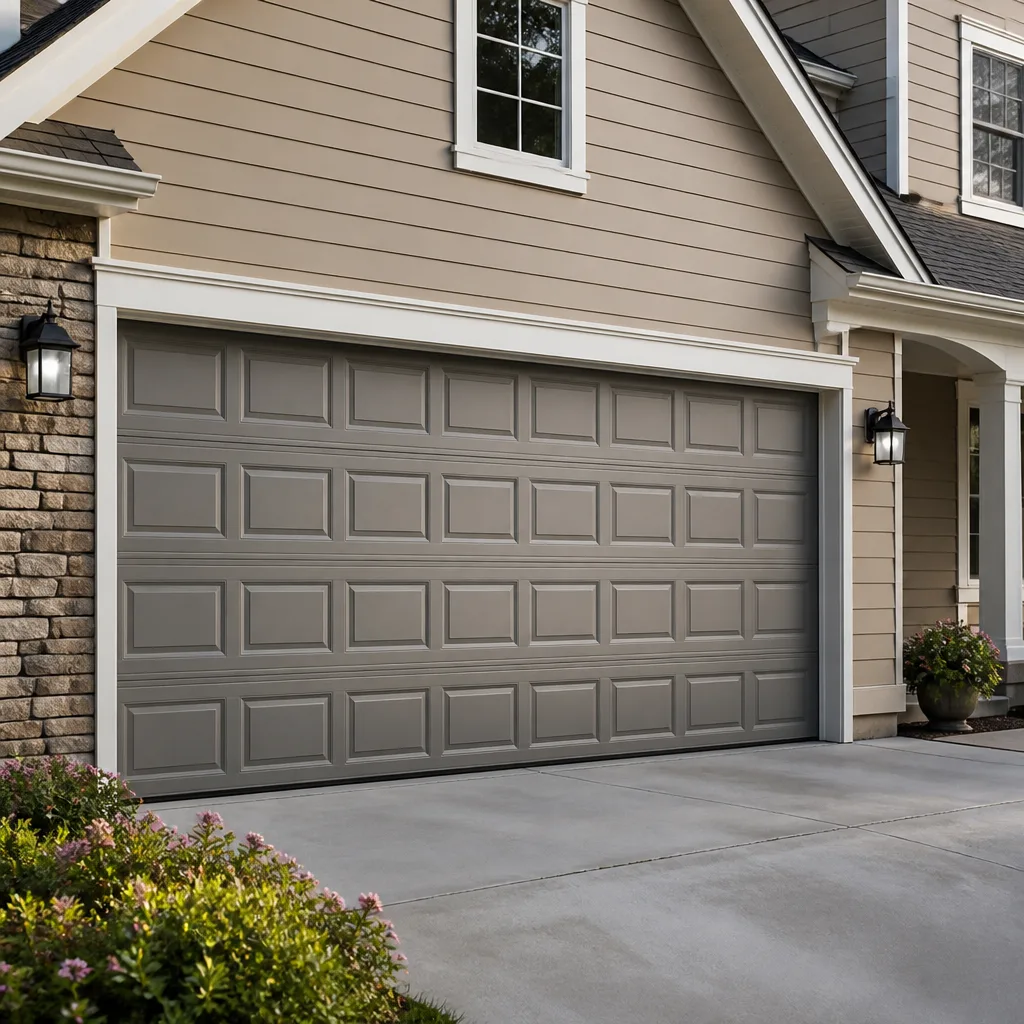 Raised-panel steel
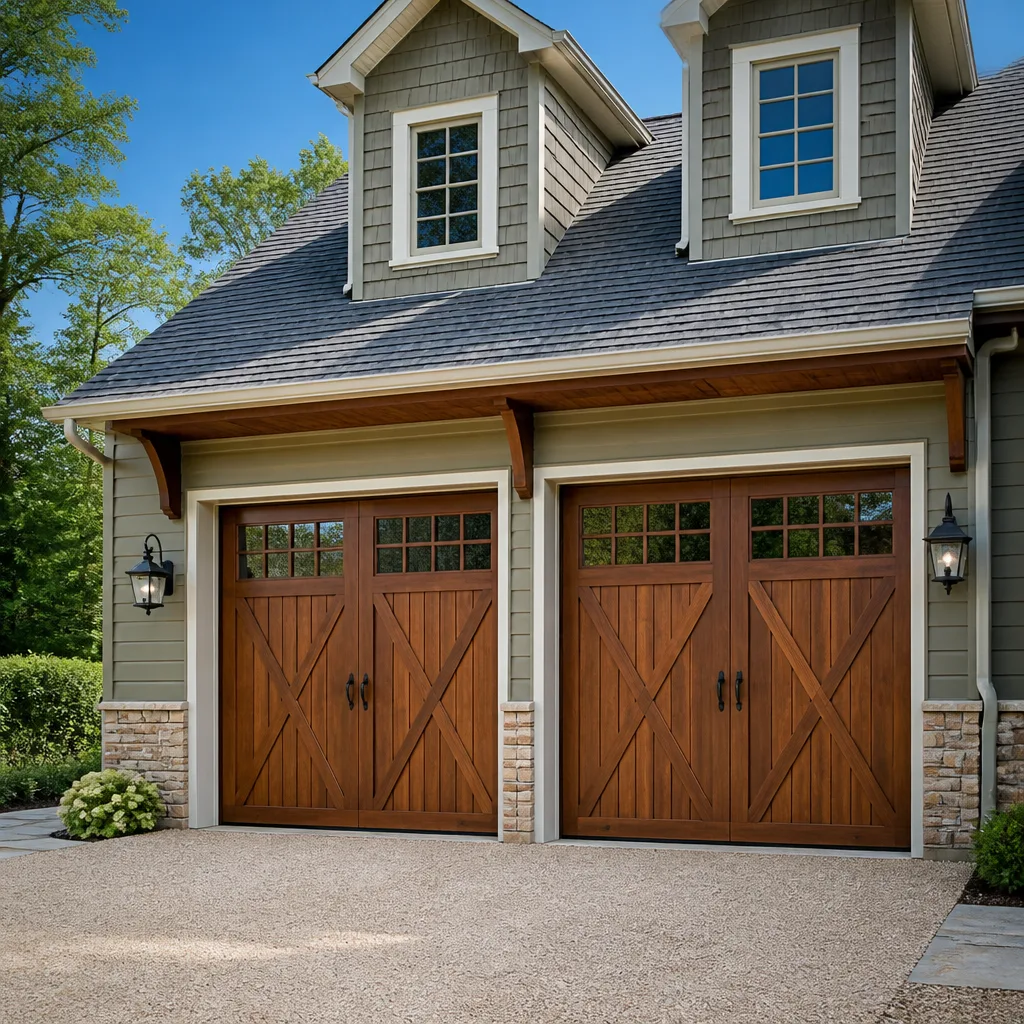 Carriage house
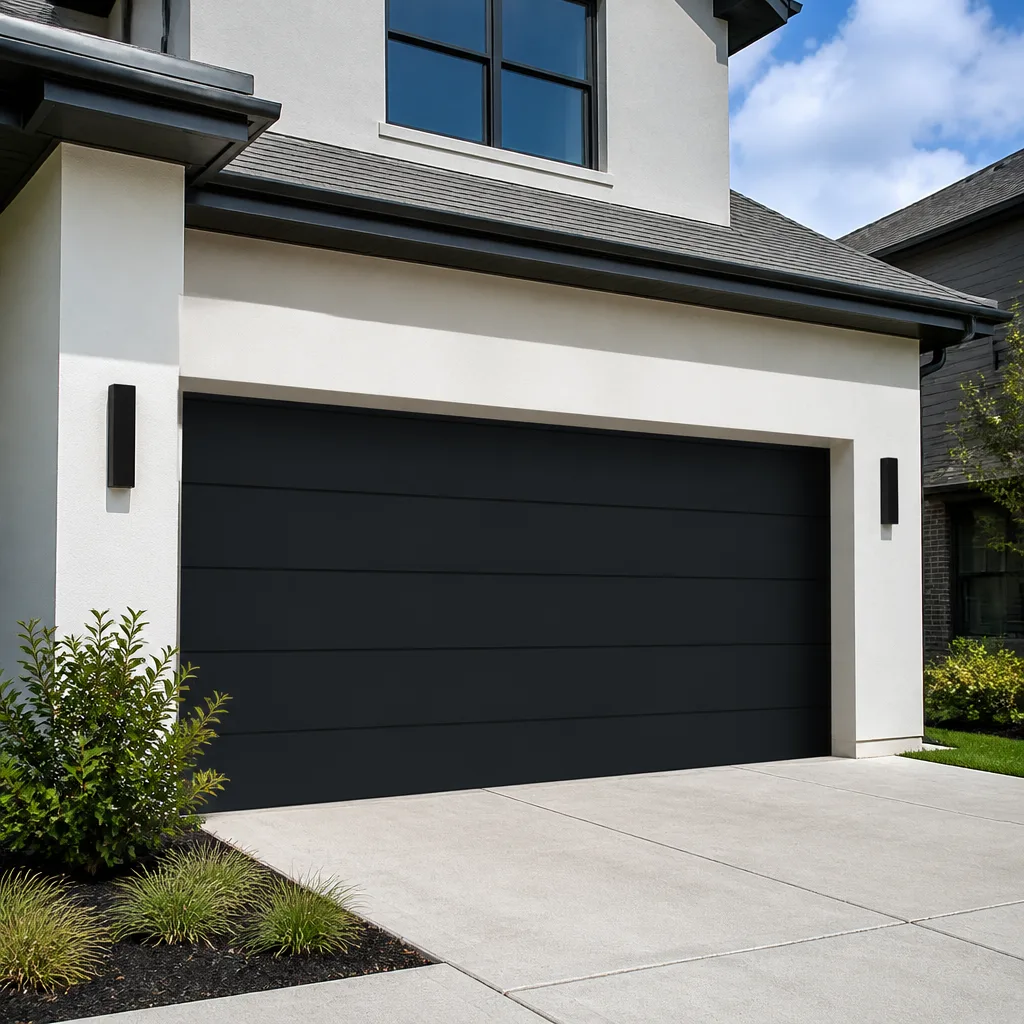 Modern flush
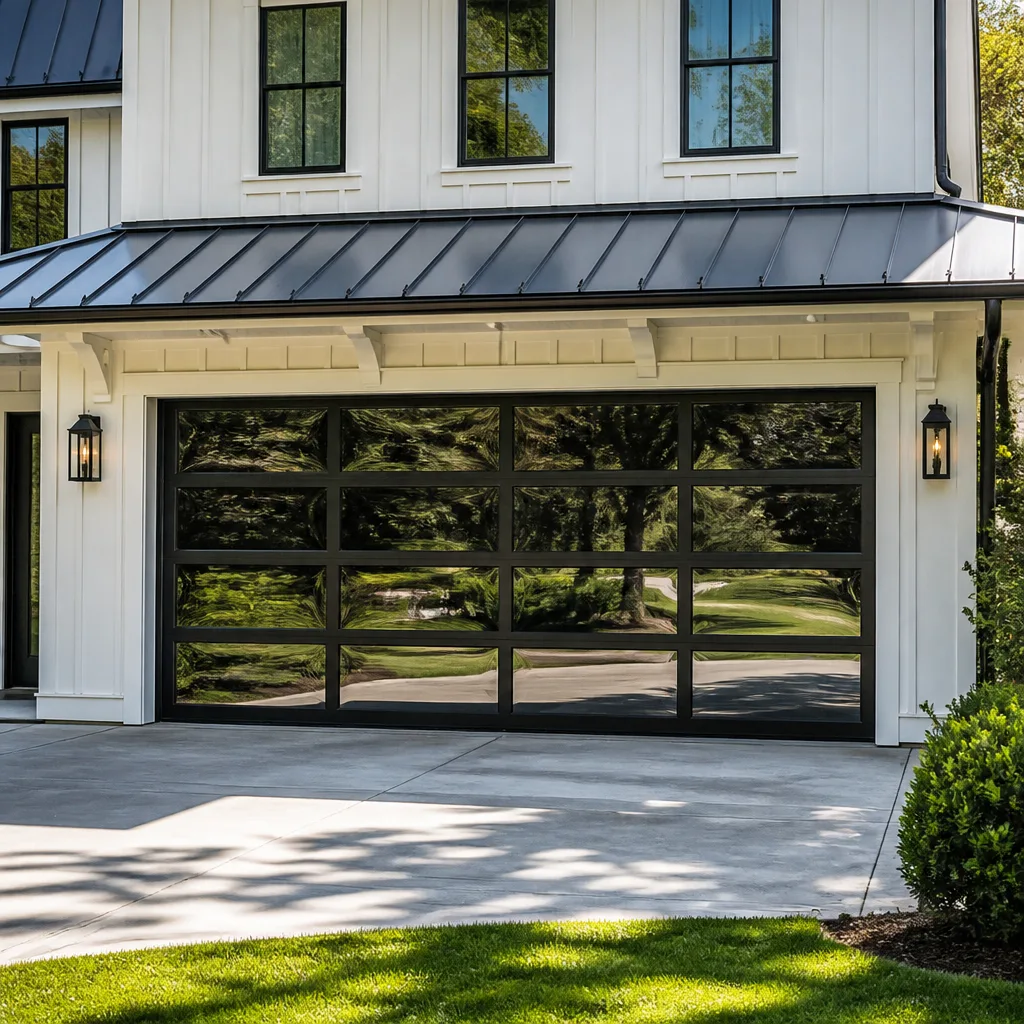 Full-view glass
 LiftMaster openers
 Chamberlain openers
Full 25-point door and opener safety check with every visit - springs, cables, rollers, tracks, and your LiftMaster or Chamberlain opener included
You get a price before we start. It does not change when the truck arrives.
Get your free estimateGarage Door Warning Signs: A San Diego Homeowner’s Reference Guide
Here’s a number that still surprises us after twenty-plus years in San Diego garages: roughly seven out of ten doors we replace or repair could have been caught months earlier, before the failure turned into a $400 emergency call on a Sunday night. The door was talking the whole time. It was grinding, hesitating, dropping too fast, or leaning slightly left. Homeowners tuned it out because the door still opened. This guide teaches you to hear what your door is saying before it stops saying anything at all. We’ll decode the specific sounds, speeds, and visual tells that point to the exact component failing, so you can describe the symptom accurately over the phone and avoid paying for repairs you don’t need.
Styles & brands we work with
Quick Answer
Garage door failures almost always announce themselves weeks or months in advance through specific sounds, speed changes, and visual clues. A grinding noise means roller bearing failure. A popping sound means torsion spring tension is uneven. A door that drops the last few inches quickly means a worn cable, not a spring. Learning to identify these signs lets a San Diego homeowner address a $95 roller replacement before it becomes a $600 opener motor burnout or a dangerous cable snap, as detailed in our How to Hire a Garage Door Contractor in San Diego: A Step-by-Step Guide.
Table of Contents
- Sound Diagnosis: Grinding, Popping, and Scraping
- Speed and Movement Tells: What Your Door Is Actually Saying
- The Balance Test: Catching Spring Failure Before It Happens
- Opener Behavior Tells: Limit Switches and Safety Sensors
- San Diego Coastal Homes: Visual Inspection Points
- A Seasonal Inspection Calendar for San Diego Homes
- How Long Each Component Lasts: A Realistic Lifespan Table
- Common Mistakes to Avoid
- When to Call a Professional
- Frequently Asked Questions
- The Bottom Line
Sound Diagnosis: Grinding, Popping, and Scraping
Most San Diego homeowners can tell us their garage door “sounds weird.” The problem is that “weird” covers about twelve different mechanical issues. The fix differs by $300 or more depending on which sound it actually is. Here’s how to tell the three big ones apart by ear, before you call anyone.
Grinding or growling during travel: This is almost always a roller bearing failure. Rollers are the small wheels that ride inside the vertical and horizontal tracks on both sides of the door. Each roller has a bearing inside it. When that bearing dries out and wears, metal rubs against metal. The sound is rough, continuous, and follows the door’s movement exactly. A roller replacement typically runs $80 to $160 for a full set of ten rollers, parts and labor. If you ignore the grinding, the roller eventually seizes or shatters, which can bind the door in the track and burn out the opener motor trying to move it. That repair climbs past $500. This is the textbook example of a cheap fix turning into an expensive one because the early warning got ignored.
Popping or snapping when the door moves: This sound comes from the torsion spring, the heavy coil mounted on the bar above the door opening. The spring handles most of the lifting weight. When the spring’s internal tension becomes uneven, the metal coils bind against themselves briefly and then release, producing that sharp pop. A single pop might not repeat. A door that pops every time it moves means the spring is grinding against itself internally, which accelerates metal fatigue. In coastal San Diego air, this compounds with surface rust on the spring coils, especially in neighborhoods like Point Loma, Ocean Beach, and La Jolla where salt-laden fog sits on exposed hardware. Spring replacement on a standard two-car door in San Diego typically runs $150 to $280, parts and labor included. We replace more springs under $250 than over $300.
Scraping or squealing from one side: A high-pitched scrape that comes from one side only, at the same spot in the travel every time, usually means track misalignment or a bent track bracket. The door’s edge is physically rubbing against something it shouldn’t. This could be a loose roller bracket, a track that shifted after a concrete driveway settled (common in newer San Diego developments like Otay Ranch or Del Sur), or a bottom corner that rusted and expanded. The fix ranges from a $95 bracket adjustment to a $200 track realignment. It almost never requires a new door.
The key diagnostic rule: if the sound matches the door’s movement exactly, it’s a rolling part (roller, hinge, cable pulley). If the sound is irregular or happens once per cycle, it’s a spring or structural part. That distinction alone will save you from being told you need a new opener when all you need is two rollers.
Our full Garage Door Repair in San Diego page covers the scope of what we fix, including diagnostic visits for exactly these sounds.
Speed and Movement Tells: What Your Door Is Actually Saying
Most people watch their garage door open and close every day without ever noticing how it moves. Your door’s speed is a diagnostic readout. Here are the four movement patterns that tell us the most about what’s failing inside.
A door that drops the last 6 to 12 inches faster than the rest of the travel: This is the one everyone misdiagnoses. A fast drop at the bottom of the cycle is almost never a spring problem. It’s a cable problem. Each side of your door uses a steel cable that runs from a drum at the top of the torsion bar down to a bracket near the bottom corner. When one cable stretches or begins fraying, that side of the door loses tension and drops faster. The spring is still doing its job. The cable is failing. A single cable replacement in San Diego typically runs $95 to $180. If that cable snaps while the door is moving, the door can slam down hard enough to damage the bottom panel, bend the track, and injure anyone standing under it. This is one of the highest-priority warning signs on this list. Do not keep using a door that drops unevenly at the bottom.
A door that hesitates for two to three seconds before moving: The opener motor starts, but the door doesn’t move right away. That pause means the opener is struggling to overcome resistance. Causes include a failing capacitor in the opener, a door that’s out of balance (the spring has weakened and the opener is now doing the spring’s job), or cold-contracted metal during San Diego’s winter mornings when inland valleys like Alpine and Ramona sit in the 30s. If the delay is consistent, you likely have a weakening spring or a tired opener motor. If it only happens on cold mornings, it’s metal contraction and will resolve as temperatures rise. Consistent delay is the tell.
A door that moves side to side or shudders during travel: A door that wiggles horizontally as it moves means something in the track system is loose: a hinge pin, a track bracket, a roller stem. A brief shudder at the same spot in the travel every time often points to a specific roller bearing that has failed and is dragging instead of rolling. This is a mechanical issue, not an opener issue. Replacing a hinge or two and a roller typically resolves it for under $150.
A door that goes up faster than it should or jerks upward: This points to the spring being too strong or never properly calibrated after a replacement. Springs are sized by the weight and height of the specific door, not by guesswork. If a previous repair used the wrong spring, the door will jerk upward, the opener will struggle to control the descent, and the entire system wears faster. The fix is proper spring calibration, which takes a competent technician about 45 minutes.
The Balance Test: Catching Spring Failure Before It Happens
The most useful single diagnostic any San Diego homeowner can perform takes 30 seconds and costs nothing. It tells you whether your springs are weakening before they fail catastrophically. Here’s the step-by-step method.
- Close the garage door completely.
- Pull the red emergency release cord hanging from the opener rail. This disconnects the door from the opener carriage. The door is now in manual mode.
- Lift the door by hand to about waist height, roughly the halfway point of its travel.
- Release the door gently and step back.
- Observe what happens.
What the results mean: A properly balanced door will hold its position at the halfway point. It may drift an inch or two either way, but it essentially stays put. This means the springs are doing their job: they’re holding the door’s weight so the opener only has to move it, not support it. If the door drops quickly from the halfway point, the springs have weakened and are no longer counterbalancing the door’s weight. If the door flies upward from the halfway point, the springs were over-tensioned (rare, but happens after a do-it-yourself spring replacement with the wrong winding count).
A door that drops during the balance test is a door whose opener is now working double duty. Opener motors are designed to move a balanced door, not lift a 120 to 150-pound door unassisted. Running an unbalanced door shortens the opener’s lifespan by years. This is your earliest reliable warning that torsion spring replacement is approaching. Catching it here means you schedule the job on a Tuesday afternoon for $150 to $280. Missing it means the spring snaps at 7:40 a.m. on a weekday with your car trapped inside, and you’re paying emergency rates plus everyone’s patience.
Two safety notes before you attempt this. First, never disconnect the opener while the door is in the open position. A door with broken springs will drop instantly and dangerously. Always perform the release from the closed position. Second, the balance test is a diagnostic step, not a spring repair. Torsion springs are under extreme tension. Winding or unwinding them without proper tools and training causes serious injury every year in this country. Diagnose the problem yourself, then call us at (619) 374-2463 to fix it. We cover spring replacement in detail on our Garage Door Spring Repair in San Diego page.
Opener Behavior Tells: Limit Switches and Safety Sensors
Openers are the most commonly misdiagnosed component in garage door repair. Because the opener is the part you see and hear every day, it gets blamed for problems that actually originate elsewhere. Here’s how to tell when the opener is genuinely at fault.
A door that reverses before it hits the ground: The door travels down most of the way, then reverses back up without touching anything. In our experience this is the single most common service call in San Diego. The cause is almost always a drifting limit switch, not a failing opener. The limit switch is the mechanism inside the opener that tells it where the down position is. Over time, and especially in homes where the garage door gets cycled four to six times a day (think a family with two working parents and two cars), the limit setting drifts slightly. The opener thinks the floor is three inches higher than it actually is, so it reverses early as a safety measure. The fix is a simple limit adjustment that takes ten minutes and runs $85 to $130. It does not require a new opener.
A door that reverses mid-travel, before it gets near the ground: This is the safety sensor, also called the photo eye. Two small sensors sit near the floor on either side of the door opening, about six inches up. They project an invisible beam between them. If the beam is broken while the door is closing, the opener reverses immediately. In San Diego, these sensors get knocked out of alignment by bikes, garbage cans, kids’ sports equipment, or yard tools leaning against the wall. They also accumulate dust and cobwebs, which diffuses the beam enough to trigger the reverse. The fix is usually a 30-second realignment or a quick wipe with a dry cloth. Before you pay for a service call, check that the small indicator lights on both sensors are glowing steadily. A blinking light means misalignment or blockage. This is a free fix you can do yourself.
A door that opens fine but won’t close at all: This often gets misdiagnosed as a burned-out opener. In most cases, the garage door’s actual spring or a roller has failed, and the opener is refusing to move a door it senses is too heavy. Opener motors have internal force sensors. When the door’s balance degrades past a certain point, the opener shuts down the closing cycle as a protective measure. Before replacing an opener, perform the balance test from the previous section. If the door is heavy or drops when released manually, the spring is the problem, not the opener. Replacing the opener in that situation would be throwing $400 to $600 at the wrong component.
When the opener genuinely has failed: A motor that hums but produces no movement usually means a failed capacitor or stripped drive gear. A motor that produces no sound at all with a known-good power source means a failed logic board. And an opener older than 15 years that’s beginning to misbehave in multiple ways is approaching legitimate end-of-life. Openers in San Diego coastal homes tend to fail from circuit board corrosion and salt air before they fail mechanically. A replacement opener for a standard two-car garage typically runs $350 to $550 installed, depending on the motor type and whether you want battery backup for power outages during Santa Ana wind season.
San Diego Coastal Homes: Visual Inspection Points
San Diego’s coastal microclimates create specific wear patterns that inland homeowners don’t see. The marine layer that rolls through Point Loma, Pacific Beach, Carlsbad, and Encinitas most mornings deposits salt and moisture on exposed metal. That corrosion attacks garage doors in predictable places. Here’s what to look for if your home sits within about three miles of the coast.
Cable fraying, early stage: The lifting cables on each side of the door are made of wound steel strands. In coastal air, the first sign of failure appears as tiny rust-colored fuzz where individual strands have begun to separate. Look closely at the cable where it wraps onto the drum at the top of the track, and where it attaches to the bracket near the bottom corner of the door. These two points bear the most stress. Fraying here is a replace-now situation, not a watch-and-see. A frayed cable under tension can snap without additional warning. Cable replacement in San Diego typically runs $95 to $180 per side, and we always replace in pairs.
Rust on torsion hardware: The torsion spring itself, the cable drums, and the bearing plates at each end of the spring bar are bare, unfinished steel on most doors. In coastal fog, surface rust appears within the first two to three years. Surface rust is not a functional problem by itself. The problem is rust pitting, which creates stress points in a spring that flexes with every door cycle. A spring with visible pitting should be watched monthly. A spring with a visible crack or a small separation in the coil is a failure in progress. Spring replacement typically runs $150 to $280. Rust on the bearing plates matters less, but if you hear a dry, creaking sound from either end of the spring bar while the door moves, the bearings need lubrication or replacement.
Weatherstrip deterioration: The rubber weatherstrip along the bottom of the door and the vinyl trim along the sides deteriorate faster in direct sun than in fog. In San Diego’s inland neighborhoods like Scripps Ranch, Rancho Bernardo, and El Cajon, the bottom seal gets brittle from heat and UV exposure. You’ll see it split at the corners first, then crack horizontally across the middle. A failed bottom seal lets in water, dust, rodents, and in the hotter months, your air-conditioned air. Replacement is straightforward: a new bottom seal runs $30 to $60 for materials, and installation takes about 20 minutes if the door’s bottom retainer channel is in good shape. This is a routine maintenance item you should expect to replace every three to five years.
Track rust at the bottom vertical section: The lowest eight inches of vertical track sit closest to the ground and collect moisture from rain splash, irrigation overspray, and salt fog. Inspect this section for rust buildup and warping. Track rust at the bottom is cosmetic until it isn’t: if the track’s inner channel develops pitting, the rollers will catch and drag. In the worst cases we see in older coastal homes, the bottom track bracket rusts through entirely, allowing the track to shift. That misalignment cascades into roller wear and door binding.
For homeowners considering a full replacement rather than ongoing corrosion management, our Garage Door Installation in San Diego page covers material options that perform better in coastal air, including corrosion-resistant hardware and composite doors engineered for salt exposure.
A Seasonal Inspection Calendar for San Diego Homes
San Diego doesn’t have harsh seasons, but it does have three distinct garage door stress periods: winter temperature swings, spring marine layer, and late-summer Santa Ana conditions, which we map out fully in our Seasonal Garage Door Care for San Diego: Year-Round Homeowner’s Guide. Here’s a practical inspection rhythm tied to those realities.
January, after the first cold snap: Inland valley homes in El Cajon, Santee, Alpine, and Ramona see the most dramatic temperature swings in the county. Metal contracts in the cold, and a lubrication that worked fine in October can stiffen enough to cause strain in January. Listen for a hesitation at the start of the opening cycle on cold mornings. If it disappears when the day warms up, it’s temperature-related friction. If it doesn’t, you’re looking at early opener motor stress or spring weakening. This is a good month for the balance test.
April through June, marine layer season: Coastal homes get three to four hours of heavy fog and condensation most mornings. This is when cable rust accelerates. Inspect the cables for the early fraying described above. Wipe down exposed torsion hardware with a dry cloth if it’s showing condensation. If you’re in a coastal zip code, this is the single most important inspection of the year for your cables.
September and October, after peak heat: The summer heat and Santa Ana dry air hit the bottom seal and the roller bearings hardest. Rubber dries, cracks, and separates. Roller lubricant thins out. Do a visual check of the bottom seal corners, where cracking always starts. Open and close the door once while standing near the side of the track, listening for a dry, rough roller sound. If the rollers sound louder than they did in spring, a re-lubrication with white lithium grease, not WD-40, is the fix. WD-40 is a cleaner, not a lubricant, and it actually strips existing lubricant away.
Every six months, regardless of season: Run the balance test. Check the auto-reverse safety feature by placing a piece of 2×4 lumber flat on the floor under the door’s path and closing the door onto it. If the door does not reverse on contact within two seconds, that safety system needs service immediately. The auto-reverse is a federal safety requirement, not an optional feature. A door without a working auto-reverse is a serious injury risk, especially in households with children or pets.
How Long Each Component Lasts: A Realistic Lifespan Table
Here are the realistic service lifespans we see in San Diego, based on a typical home that cycles its door three to five times per day. Your actual numbers will vary based on usage, proximity to the coast, and whether you follow the checks in this guide. This is what we’ve observed across the neighborhoods we serve, from Chula Vista to Oceanside.
| Component | Typical Lifespan | Early Warning Signs | Replacement Cost Range |
|---|---|---|---|
| Torsion springs | 7 to 10 years (or 10,000 cycles) | Door fails balance test, popping sound | $150 to $280 |
| Rollers (nylon) | 6 to 8 years | Grinding, door shudders during travel | $80 to $160 for a full set |
| Extension or lifting cables | 4 to 7 years coastal, 6 to 10 inland | Rust fuzz, door drops unevenly at bottom | $95 to $180 per pair |
| Opener motor/drive | 10 to 15 years | Hums without moving, inconsistent operation | $350 to $550 installed |
| Bottom weatherstrip | 3 to 5 years | Cracks at corners, visible light or dust under door | $30 to $60 materials |
| Hinges | 10+ years | Door wiggles side to side, visible wear on hinge pins | $15 to $40 per hinge |
| Safety sensors (photo eyes) | 8 to 12 years | Door reverses mid-travel despite alignment | $75 to $140 per pair |
These ranges reflect what we charge in San Diego and what we see from other reputable local companies. They include parts and labor. If you’re quoted significantly more for a single-spring replacement on a standard two-car door, ask why. And remember: every Bramwell job includes a written price before any work begins, so the number we say on the phone is the number on the invoice. No exceptions.
Common Mistakes to Avoid
- Ignoring a grinding door because “it still opens.” This is the most expensive mistake on this list. A roller bearing failure that goes ignored for six months turns a $120 roller replacement into a $500 opener motor replacement when the bound roller stalls the door and burns out the drive gear. Every grinding cycle is doing incremental damage.
- Lubricating a popping spring. Springs don’t need lubricant to solve popping; popping indicates internal tension problems, not friction. Greasing the spring either does nothing or masks the symptom temporarily while the spring continues degrading. The only correct fix for a popping spring is replacement.
- Replacing the opener when the door is actually out of balance. We hear this story weekly: a homeowner paid $400 for a new opener only to find the door still drops fast at the bottom. The spring was the problem all along. Always do the balance test before spending opener money.
- Using WD-40 on rollers, hinges, or tracks. WD-40 is a solvent and water displacer. It strips grease and leaves metal dry. Use white lithium grease on rollers and hinges, and leave the tracks clean and dry. Grease in the tracks attracts dirt and gum in coastal salt air.
- Attempting DIY torsion spring replacement. Torsion springs are under hundreds of pounds of torque. The winding bars can slip, the spring can release suddenly, and the injuries are severe enough to be life-altering. This is the one repair where the do-it-yourself approach is never worth the $200 savings.
- Delaying cable replacement after seeing rust fuzz. A frayed cable does not recover. It only gets worse. And when a cable snaps under load on a half-open door, the door slams and the cable whips. This is an urgent replacement, not a maintenance item.
- Assuming a noisy door in a new build is normal. New homes in San Diego developments like Civita in Mission Valley or 3Roots in Sorrento Valley sometimes have doors installed with incorrect track alignment or unbalanced springs from day one. A noisy new door is a warranty issue and a safety concern. New does not mean adjusted correctly.
When to Call a Professional
Some signs you can monitor. These you should not. Call a professional immediately if your door drops fast at the bottom of its travel, if you find visible cable fraying or broken strands, if the door fails the balance test by more than a couple of inches, if you hear a loud crack or snap from the spring area followed by the door becoming extremely heavy, or if the auto-reverse safety feature fails the 2×4 test. These are all active failure situations or safety hazards. Do not keep cycling the door to see if it gets better. It won’t. Bramwell Garage Doors San Diego offers free estimates throughout San Diego and we answer the phone 24/7, and you can explore more guides & resources on our site. If you’re watching a warning sign turn into an emergency, call (619) 374-2463 now. We’ll give you a straight diagnosis over the phone if you can describe the sound and the behavior, even if you end up not needing us.
Frequently Asked Questions
Most torsion spring replacements in San Diego run $150 to $280, parts and labor included, for a standard two-car residential door. The price varies based on door weight, spring type, and whether you need one spring or a pair replaced. We recommend replacing both springs at once even if only one has failed, because they wear at roughly the same rate. Call (619) 374-2463 for an exact quote on your specific door, free.
Yes, a noisy door from worn rollers, dry hinges, or track misalignment is a same-day repair in most San Diego neighborhoods. The technician diagnoses the specific sound, replaces the failing components, and the door runs noticeably quieter before they leave. We carry the common roller sizes and hinge types in our service vehicles so we don’t need to schedule a second visit for parts.
No. At Bramwell, the written price is prepared before any work starts, based on a direct inspection of your door. The number on the written estimate is the number on the invoice. If the technician finds an additional issue during the repair, that gets quoted separately and only proceeds with your approval. This is the Kingswell standard, and it’s been the way we’ve operated since 2001.
Yes. We’re authorized to service all major brands including LiftMaster, Chamberlain, Genie, and Craftsman. The diagnostic approach is the same regardless of brand: we verify the door’s balance and mechanical condition before we condemn an opener. In many cases, what looks like an opener problem is actually a spring or roller issue that costs a fraction of an opener replacement to fix.
Coastal San Diego homes in neighborhoods like Ocean Beach, Pacific Beach, La Jolla, and Carlsbad see accelerated cable rust, torsion spring pitting, and hardware corrosion from daily marine layer exposure. The salt-laden fog sits on exposed metal parts for several hours every morning. We recommend coastal homeowners inspect cables for rust fuzz every spring and do the balance test every six months. These two checks catch the failures that coastal air accelerates before they become emergencies.
A torsion spring lasts 7 to 10 years in typical San Diego residential use, which translates to roughly 10,000 open-and-close cycles. A household that cycles the door four to five times per day will approach that lifespan in eight years or so. The first reliable warning sign is a door that fails the balance test. Annual or semi-annual balance checks are the best way to know you’re getting close before the spring snaps.
Yes, the balance test is safe for any homeowner when performed from the closed position. Pull the red emergency release, lift the door to waist height, and let go. If the door drops, your springs are weak. If it holds, they’re fine. Never disconnect the opener while the door is open. And do not attempt to adjust, wind, or replace torsion springs yourself. The balance test is diagnosis. Spring work is for trained professionals with the proper winding bars and experience.
The Bottom Line
Your garage door announces its failures weeks or months in advance if you know what to listen for. A grinding sound means rollers. A popping sound means the spring. A fast drop at the bottom means a cable. A door that reverses early means the limit switch, and a door that reverses mid-travel means the photo eyes. None of these require guesswork. Learn the balance test, do it every six months, and inspect your cables if you live near the coast. When you do need a repair, know the price before the work starts and get the guarantee in writing. That’s how the Kingswell standard has worked since 2001, and it’s how we run every job in San Diego. Call (619) 374-2463 for a free estimate, or start with our Bramwell Garage Doors San Diego home page to learn more about how we work.
Written by Marcus Ellery, Owner at Bramwell Garage Doors San Diego, serving San Diego since 2001.
See the difference
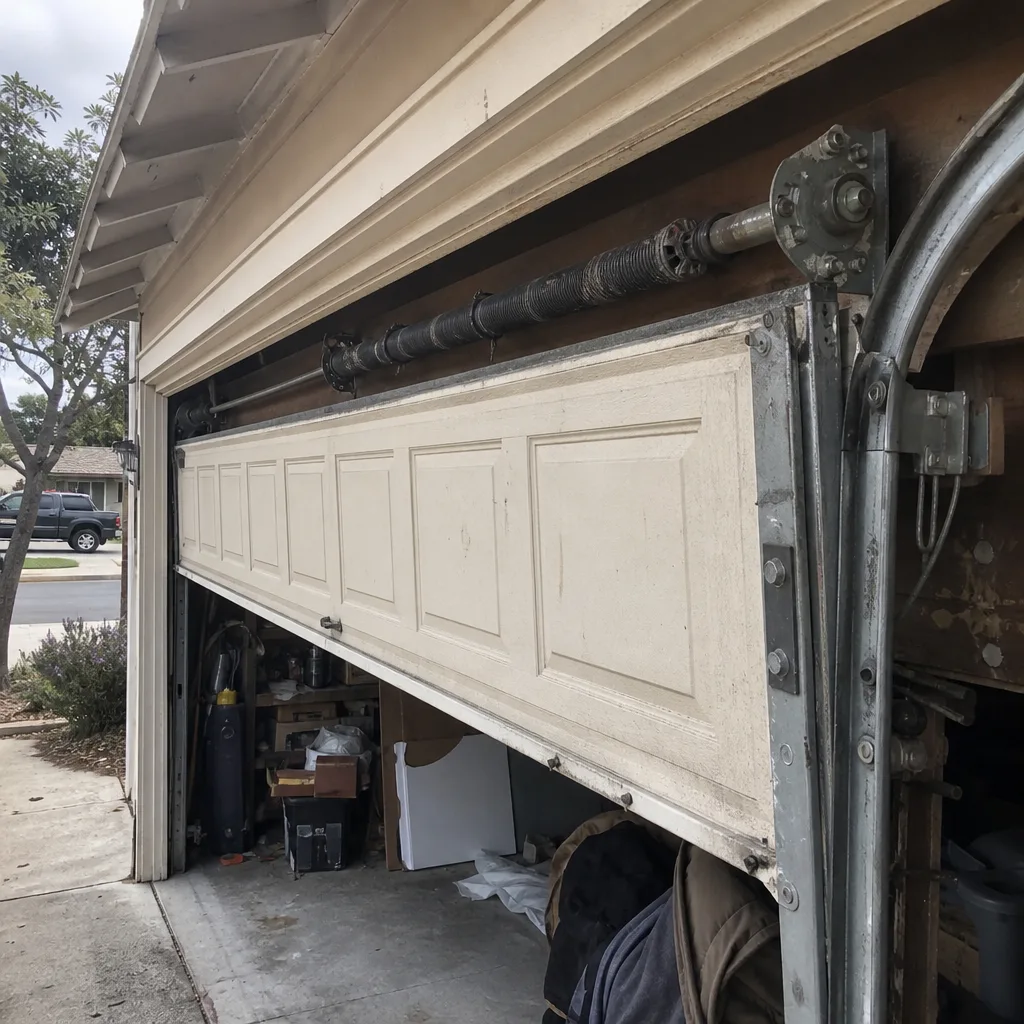 Before
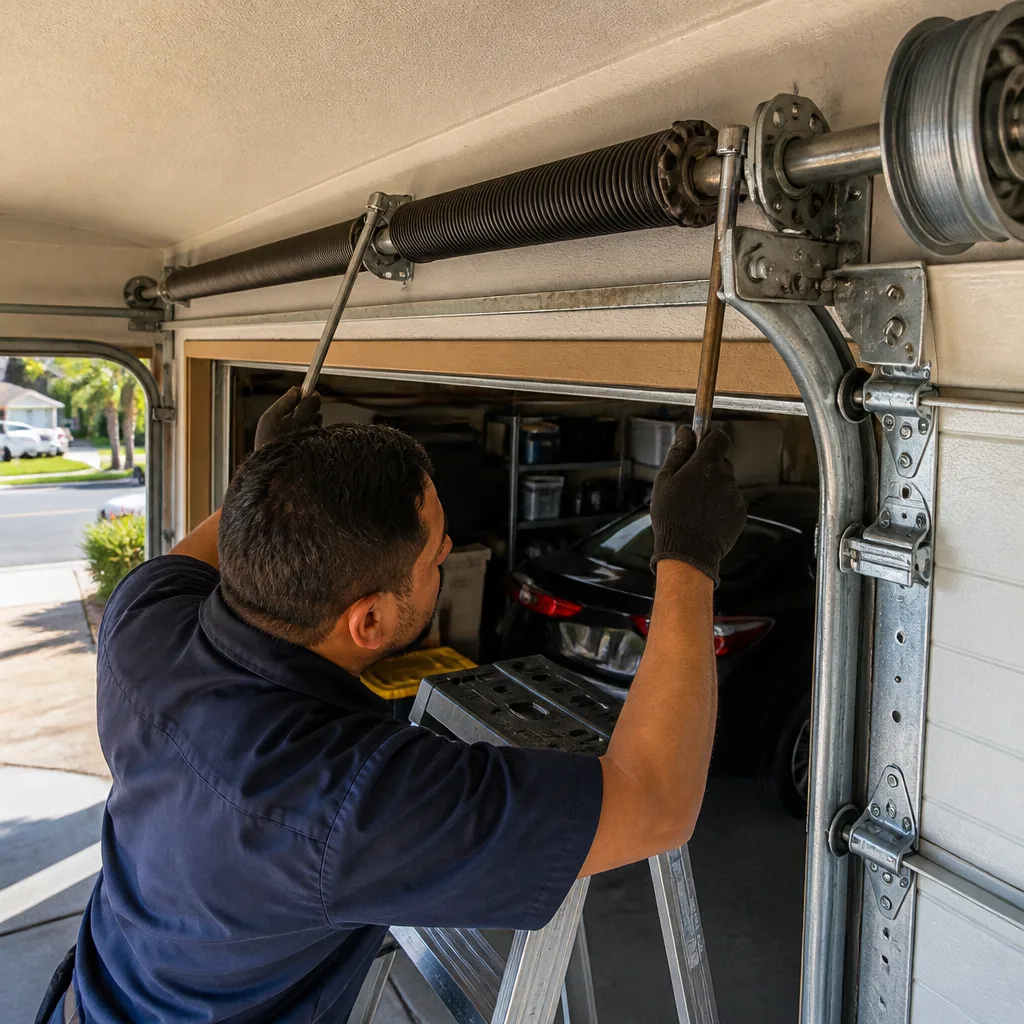 After
After Before
 After
After Before
 After
After