
Last updated October 16, 2026
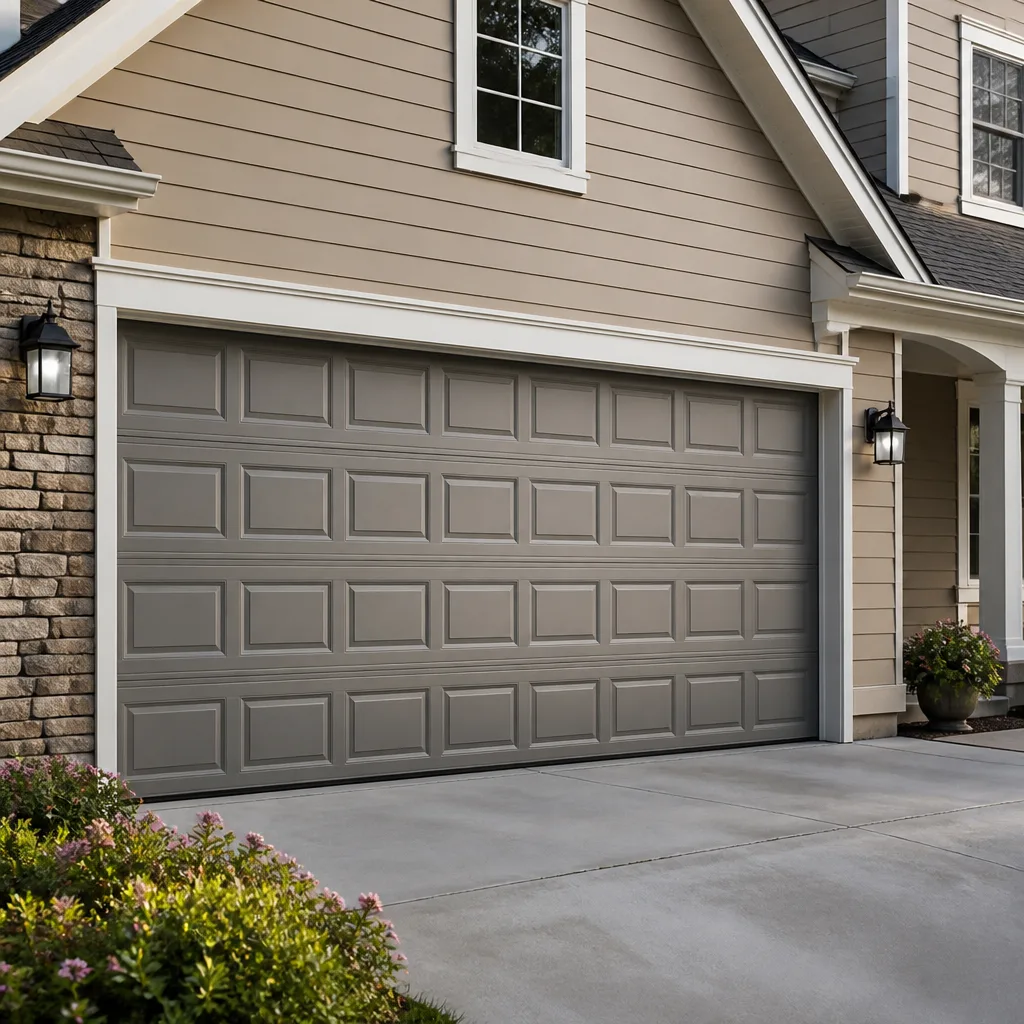 Raised-panel steel
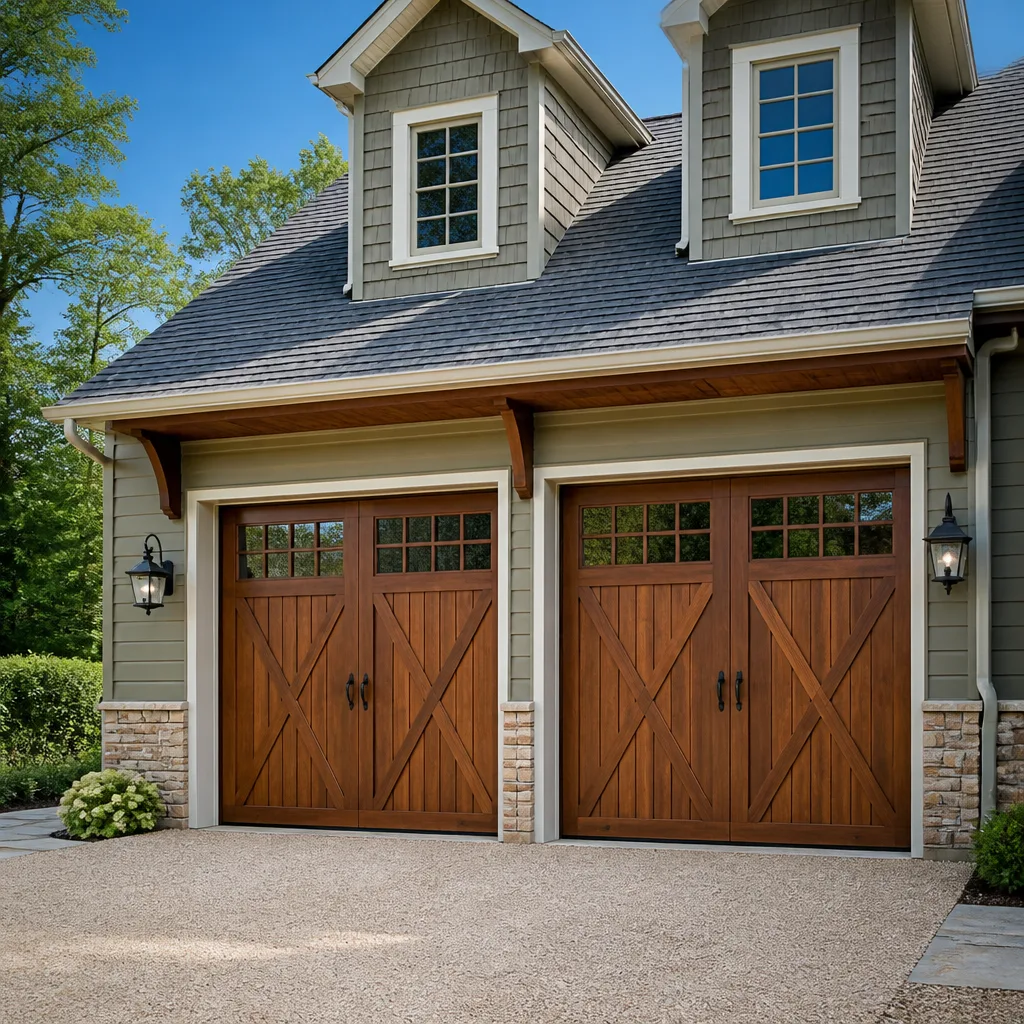 Carriage house
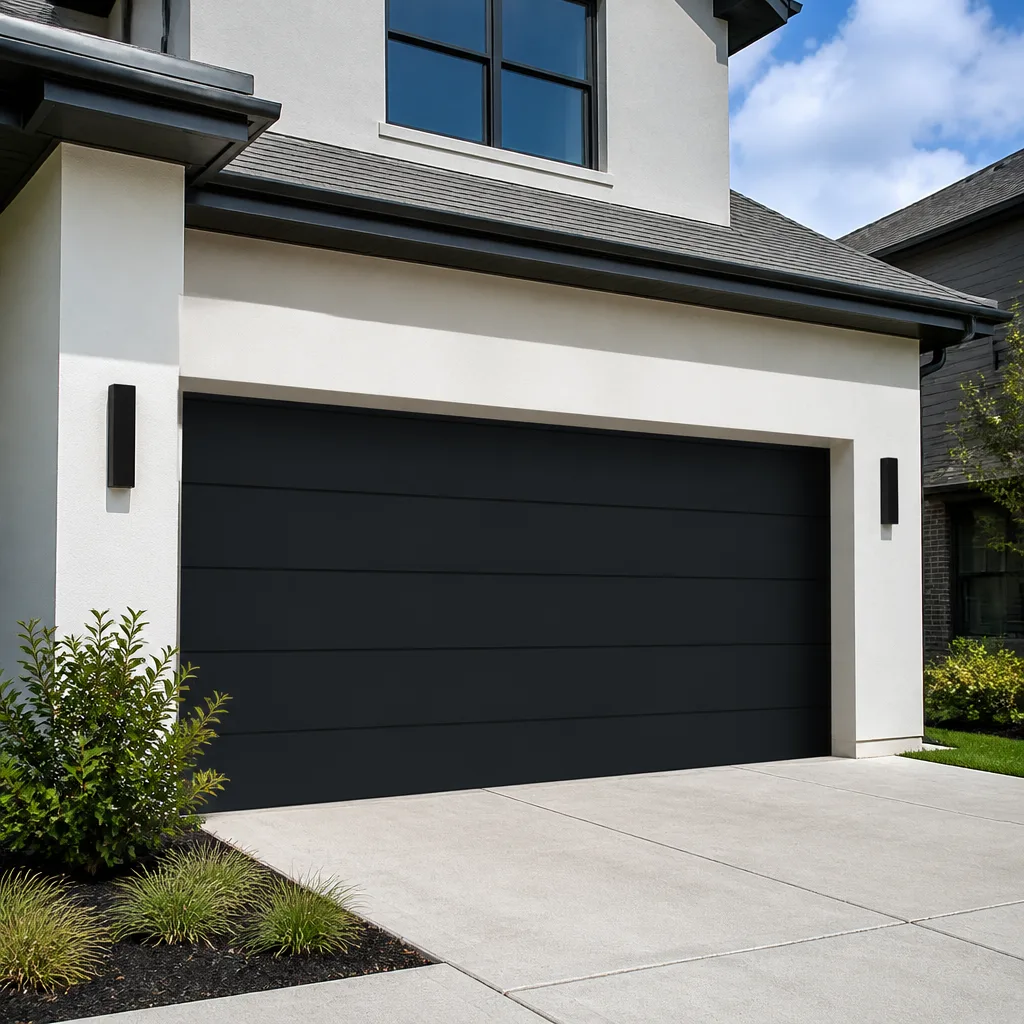 Modern flush
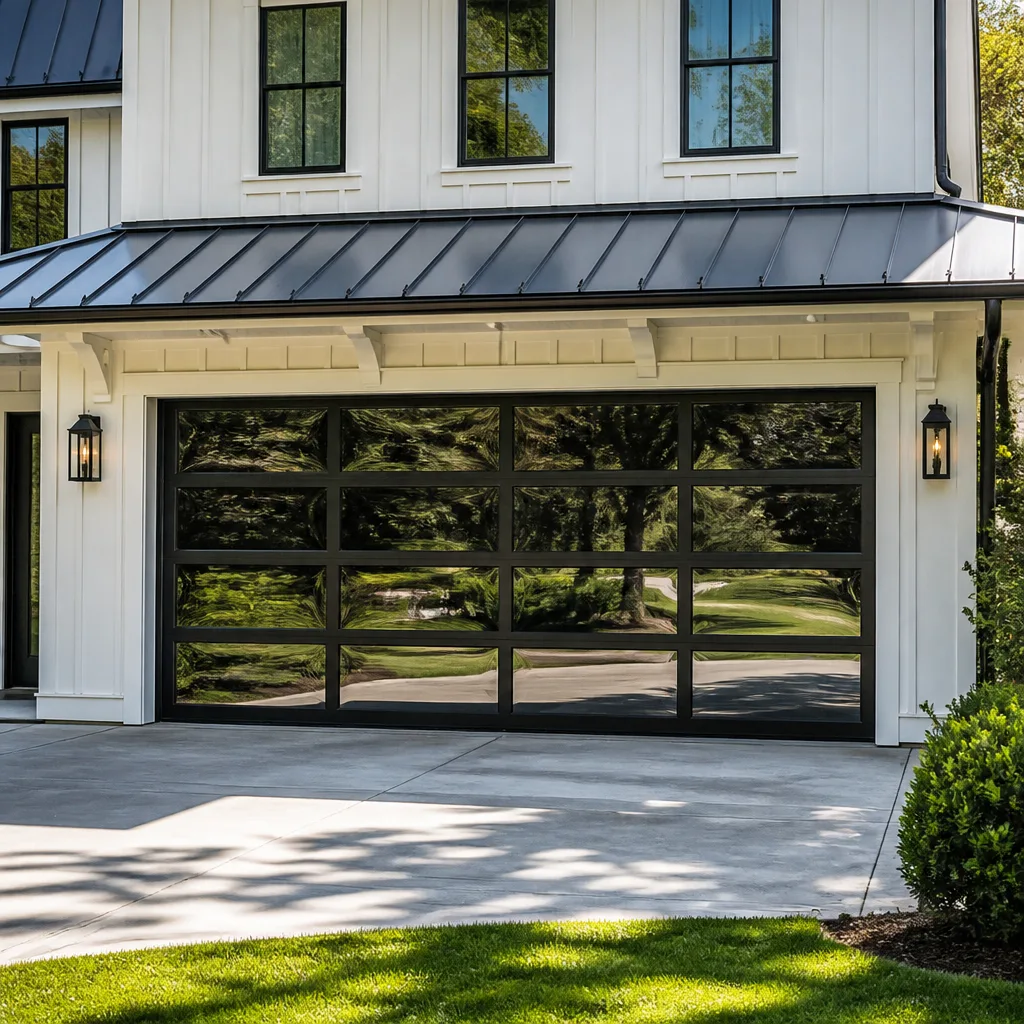 Full-view glass
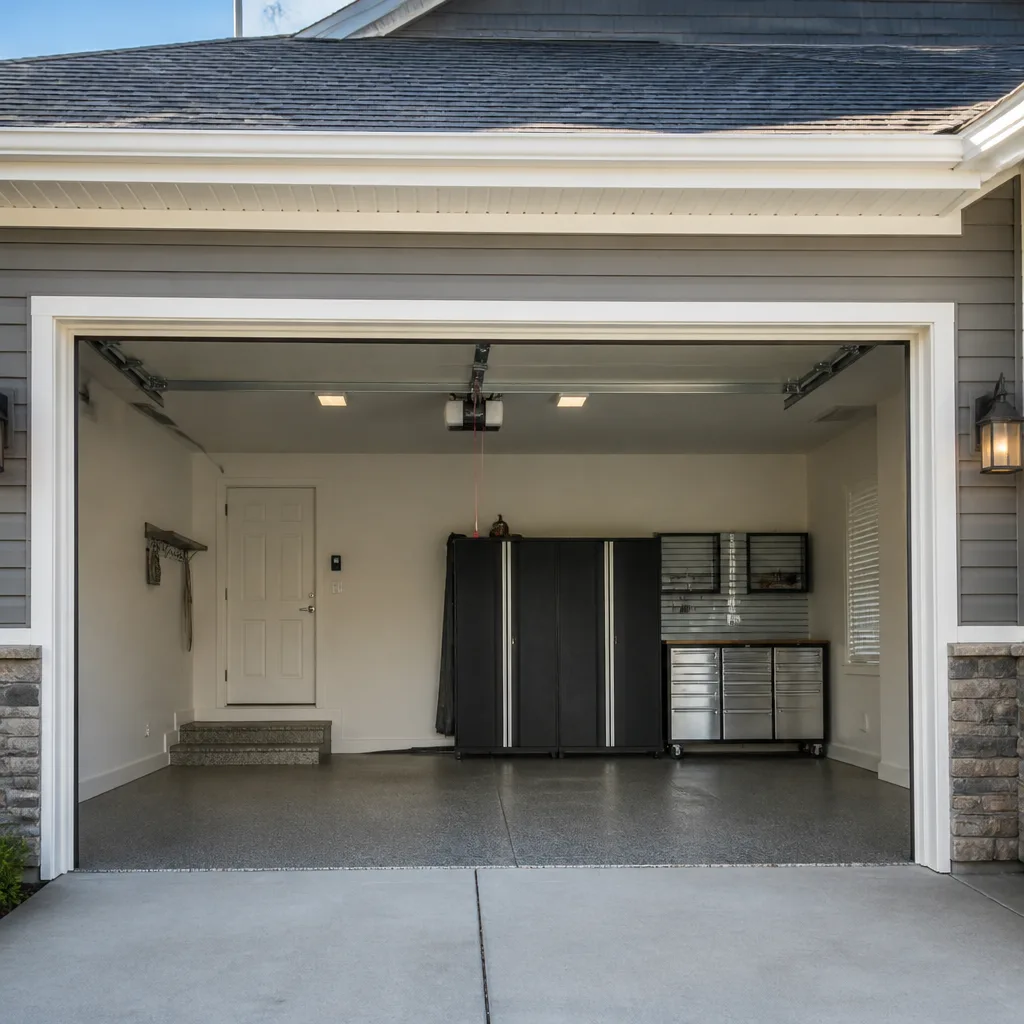 LiftMaster openers
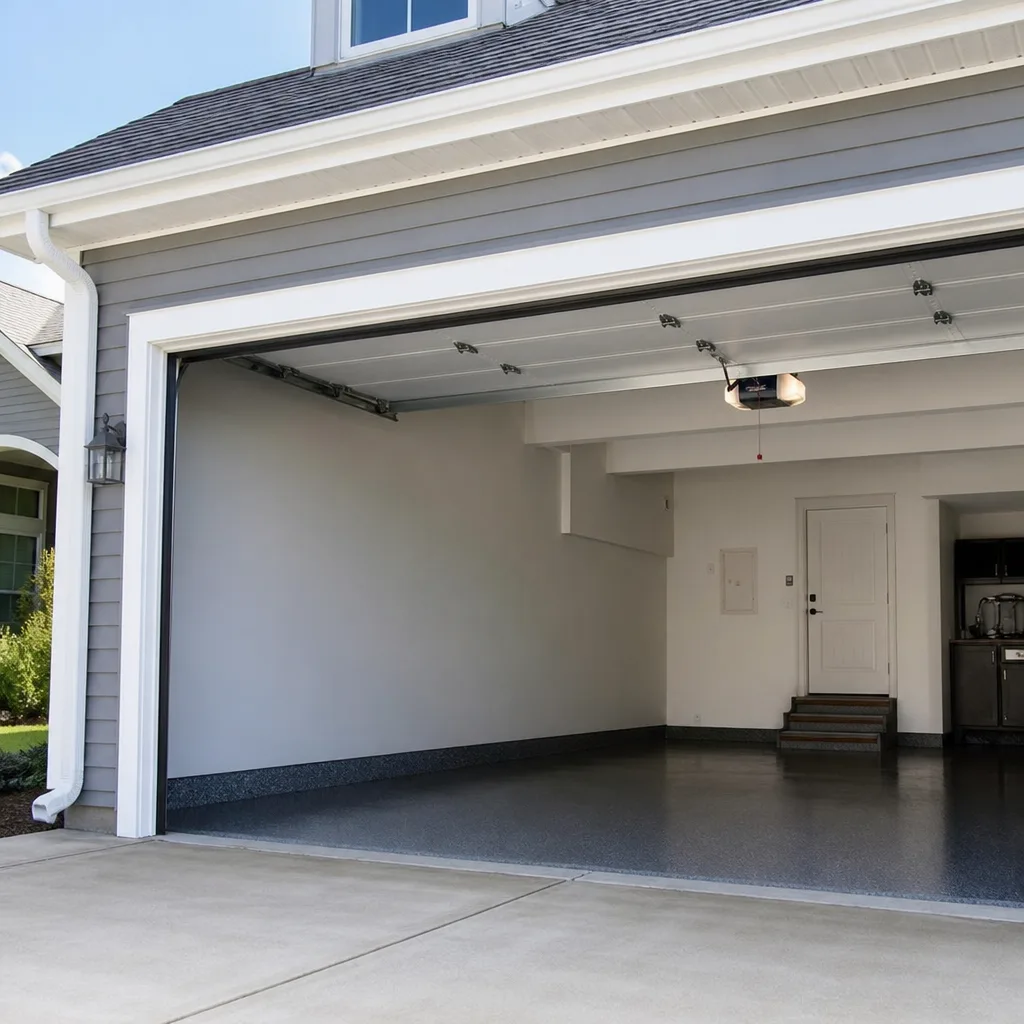 Chamberlain openers
Full 25-point door and opener safety check with every visit - springs, cables, rollers, tracks, and your LiftMaster or Chamberlain opener included
You get a price before we start. It does not change when the truck arrives.
Get your free estimateGarage Door Permits, Codes & Inspections in CA: What You Need to Know
A homeowner in Chula Vista sold their house in 2023 only to have escrow delayed 11 days because an unpermitted garage door widening, done by a previous owner, required a retroactive inspection and permit. The repair work itself was straightforward. The delay cost the seller $4,200 in carrying costs, mortgage payments, and a price concession to keep the buyer from walking. That story is not rare. It happens across San Diego County every month, and it almost always traces back to the same misunderstanding: most people think every garage door change needs a permit, when the truth is much sharper. This guide explains exactly where California draws the permit line, what codes actually govern your garage door, how San Diego’s patchwork of jurisdictions changes the rules, and what to check before you list your home or start swinging a sledgehammer. For more guides & resources on keeping your garage safe and compliant, see our blog.
Styles & brands we work with
Quick Answer
A like-for-like garage door replacement, same size opening, same door type, no structural changes, is permit-exempt in most California jurisdictions including the City of San Diego. You need a permit when the rough opening changes size, when the header above the door is altered, when you add windows or a side door, or when you install a door that changes how the wall above it handles load. Any structural change to that header, the beam carrying the weight above the opening, triggers a full building permit and inspection, no exceptions. And even permit-exempt work must still meet code, especially the UL 325 safety standard for openers and California’s seismic disconnect requirement.
Table of Contents
- Where the Permit Line Actually Is in California
- San Diego County vs. City of San Diego: Why the Rules Differ
- UL 325 and Why Your Opener Must Meet It
- How Unpermitted Work Surfaces in Title Searches
- The Seismic Disconnect Requirement You’ve Never Heard Of
- As-Built Permits: What They Cost in San Diego vs. Doing It Right
- How to Check Your Own Garage Door Before a Sale or Renovation
- Common Mistakes to Avoid
- When to Call a Professional
- Frequently Asked Questions
- The Bottom Line
Where the Permit Line Actually Is in California
California Building Code (CBC) Section 105.1 governs which work requires a permit, and the exemption that matters most to garage door owners is in the same section: ordinary repairs and replacement of nonstructural components do not need a permit. A garage door panel, the spring assembly, the rollers, the track, the opener, all count as nonstructural when you’re replacing them one-for-one. That means a homeowner in Clairemont or Rancho Bernardo can swap a tired single-car door for a new one of the same dimensions without pulling a permit. The city and county both treat that as maintenance, not construction.
The line moves the second you touch the rough opening, the framed hole in the wall the door sits in. Widen it to fit a larger door, and you’re now modifying structure. Raise the opening to fit a taller vehicle, same story. Add a second door where there was a wall, cut a window into the door itself, or alter the header, the horizontal beam above the opening that carries load from the roof and any second story, and you’ve crossed into full permit territory. The reason is straightforward: that header is engineered for a specific span. Change the span, and the header’s load-bearing capacity changes with it. A wider opening on a two-story home in coastal San Diego, where older construction may have used smaller headers than modern code requires, can become a genuine structural hazard if done without engineering review.
The Work That Does Need a Permit in San Diego
- Widening or raising the rough opening – changing the door size means changing the header load path.
- Replacing or altering the header beam – even if you keep the same opening size, replacing that beam is structural work.
- Adding a garage door where none existed – converting a carport or walling in a porch to create a garage.
- Cutting a person-door or window into the garage door opening – the door itself becomes load-bearing in a new configuration.
- Converting a garage to living space – removing the door entirely and framing in a wall is a separate permit path, and San Diego has specific rules about it.
In our experience in San Diego, the confusion usually runs the other direction. We’ve had homeowners in La Mesa call us convinced they need a permit to replace a spring. They don’t. We’ve also had homeowners in Point Loma ask if they can widen their door “a little” without paperwork. They can’t. The cost of guessing wrong on a spring is a few hundred dollars. The cost of guessing wrong on a widened opening can be tens of thousands in retroactive permits, engineering review, and repairs before a sale can close.
San Diego County vs. City of San Diego: Why the Rules Differ
San Diego is not one permit jurisdiction. The City of San Diego covers the city proper, from Otay Mesa to Carmel Valley. But unincorporated areas like Lakeside, Santee, Alpine, Ramona, Spring Valley, and parts of El Cajon fall under the County of San Diego’s permit authority. The building codes are the same, both adopt the California Building Code, but the administrative process, the fees, the plan review time, and the interpretation of “ordinary repair” can vary meaningfully between the two.
The City of San Diego operates through its Development Services Department and generally follows a clear rule: like-for-like replacement of a garage door on an existing single-family home, no structural modification, no permit required. The County takes the same baseline position, but unincorporated areas often include additional review for slope stability, wildfire-urban-interface setbacks, or coastal sensitivity, depending on where the home sits. A garage door replacement in Alpine, in a wildfire risk zone, may trigger a second look if your project includes any structural changes. The door itself is not the issue. The opening is.
One more wrinkle matters for San Diego homeowners: incorporated cities within the county that run their own building departments. Chula Vista, Oceanside, Escondido, and El Cajon each issue their own permits. Chula Vista in particular has a reputation for closer scrutiny on garage conversions, a reflection of how many aging homes there have been converted over the years. If you’re in Chula Vista and your garage door opening was widened at some point in the last 30 years, check for a permit before you list the house. The buyer’s inspector will ask. The title company may too.
For anyone unsure which jurisdiction applies, the rule is simple: look at your property tax bill or the top of your utility statement. It names the jurisdiction. That answer determines which building department you call. We’ve helped homeowners in San Diego navigate both city and county systems, and the single best move is to call the permitting desk directly, describe exactly what you want to do, and ask whether it requires a permit. Most desks will tell you in under two minutes.
UL 325 and Why Your Opener Must Meet It
UL 325 is the federal safety standard from Underwriters Laboratories that governs automatic garage door openers. Every new garage door opener sold in the United States must comply with it. The standard requires two independent safety systems: an automatic reverse mechanism that stops and reverses the door when it encounters resistance, and a secondary entrapment protection device, almost always the photoelectric eye sensors mounted a few inches off the floor on either side of the opening. Break the beam, and the door stops and reverses.
Where UL 325 intersects with permits is subtle. A permit-exempt like-for-like door replacement often includes a new opener, and that opener is never inspected by the city because no permit was pulled. That means the only thing standing between a homeowner and a non-compliant opener is the installer’s word and the manufacturer’s own testing. Most openers, including LiftMaster, Chamberlain, Genie, and Raynor models, are UL 325 compliant out of the box. The risk comes from older openers, particularly those manufactured before 1993 when the standard was strengthened, and from openers installed by someone who disables or ignores the photoelectric eyes.
Here is what that means in practical terms for a San Diego homeowner. If your current opener was installed in the 1980s or early 1990s, has no photoelectric eye sensors at the base of the opening, or reverses only when it hits something hard rather than when the beam is broken, it does not meet current safety law regardless of what any permit said at the time. When you sell the home, a sharp home inspector will flag it. When you replace the door, a reputable installer should refuse to reuse that opener. We pull non-compliant openers out of San Diego garages regularly, some still working fine mechanically, but unsafe by modern standards. A working opener and a safe opener are not the same thing.
What UL 325 Requires on Every Opener Installed Today
- Automatic reverse on contact. The door stops and reverses when it hits an obstruction while closing.
- Secondary entrapment protection. Photoelectric eyes or an equivalent device that reverses the door when the beam is broken, even without contact.
- Force adjustment limiting the closing force. The door should not be able to crush what is beneath it.
- Manual release clearly marked and accessible. The red emergency cord must be reachable and functional.
- Compatibility with the door’s weight and balance. An opener on an unbalanced door, even a compliant openener, is a hazard.
How Unpermitted Work Surfaces in Title Searches
Most San Diego homeowners assume unpermitted work stays hidden. They’re usually wrong. When a home goes under contract, the buyer’s lender typically orders a permit history check as part of the title search. That check pulls every permit ever issued for the property address. It does not inherently flag missing permits, but it creates a record of what was permitted, and what was not becomes visible by comparison. A garage door widening without a permit is not a silent omission. It’s a visible gap between the home as it exists and the home as the permit record describes it.
The buyer’s home inspector then documents the discrepancy. From there, the escrow conversation goes sideways. The buyer may demand a retroactive permit, called an as-built permit in San Diego. The seller is generally obligated to either provide proof of permitted work or complete the as-built process before close. As-built permits require drawings of the existing condition, engineering review if the work touched structure, a site inspection, and plan check fees. The timeline is rarely less than two to four weeks, and it can run longer if the reviewing engineer finds the existing work out of compliance, which then triggers corrective construction before final approval.
That Chula Vista seller who lost $4,200 is on the mild end of the spectrum. We’ve seen unpermitted garage conversions in City Heights and Logan Heights force sellers to either convert the garage back, install a compliant door and opening at their own expense, or knock tens of thousands off the price. The rule in San Diego’s seller’s market has been looser at times, buyers waived contingencies, but that cycle turns. When it does, unpermitted work is the first thing a cautious buyer’s attorney uses as leverage.
The Seismic Disconnect Requirement You’ve Never Heard Of
California is the only state that mandates mechanical earthquake disconnects on overhead doors serving as required exits. The requirement appears in the California Building Code under Section 1001 and traces back to the 1994 Northridge earthquake, when several garage door openers failed in a way that trapped residents or blocked their only vehicle exit. The mechanical disconnect must release the door from the opener when the door’s track or framing shifts beyond a defined threshold, allowing the door to be manually opened even if the power is out or the opener is damaged.
The seismic disconnect is mandatory on newly installed openers in California, but like the UL 325 standard, it is only verified during inspection when a permit is pulled. A permit-exempt opener replacement on a like-for-like door never gets inspected, which means the only protection a homeowner has is the installer’s integrity and the manufacturer’s design. Newer LiftMaster and Chamberlain openers sold in California include a seismic disconnect as standard. Many older units, and some budget models, do not. A homeowner who replaced their opener in 2005 has no idea whether their opener has this feature. A homeowner who replaced it in 2023 with a California-compliant model does.
How to check your own opener: look at the rail above your car, the metal track the trolley rides on. A seismic disconnect is typically a red or orange release mechanism attached to the rail or the opener head, separate from the emergency cord. The manual will list “earthquake disconnect” or “seismic release” in the features. If you can still find the manual. If you can’t, a technician can identify the model and tell you in one visit. This is not a feature you want to discover is missing during a shaking event.
As-Built Permits: What They Cost in San Diego vs. Doing It Right
An as-built permit is a permit issued after the work is already done, accompanied by a promise to bring the work into compliance. In San Diego, the cost of an as-built permit for a garage door opening modification depends on jurisdiction, the scope of the work, and whether an engineer has to review the existing header. Here is a realistic breakdown of what a homeowner pays to legalize unpermitted work compared to what a permitted job costs upfront.
| Cost Item | Permitted Job (done right first) | As-Built Permit (after the fact) |
|---|---|---|
| Building permit fee (City of San Diego) | $180 – $350 | $350 – $700 as-built surcharge may apply |
| Plan check fee | $150 – $300 | $250 – $450 |
| Structural engineering review | Included or $500 – $900 | $900 – $1,800, often expedited |
| Field inspection | Included | $150 – $250 per visit |
| Corrective work if header fails review | None (designed correctly first) | $1,500 – $6,000 depending on span |
| Total realistic range | $480 – $1,400 plus construction | $1,350 – $8,800 plus corrective work |
The insurance and liability picture is just as stark. Unpermitted structural work on a garage opening that later fails, the header sags, the opening shifts, the door jams, is an insurance claim waiting to be denied. Most California homeowners policies exclude damage resulting from unpermitted construction. A $1,000 permit in year one is the cheapest insurance policy you will ever buy on your garage. We tell San Diego homeowners this same thing: the permit is not the expensive part. The risk is expensive.
How to Check Your Own Garage Door Before a Sale or Renovation
You don’t need to be a contractor to do a basic compliance check on your own garage door. Here’s a walkthrough we’ve used with San Diego clients for years. It takes about 20 minutes.
- Check your current door against the opening. Look at the wood or metal framing around the door. Does the door fill the opening exactly, or are there visible patches, added framing, or gaps that suggest the opening was changed at some point? If the rough opening looks consistent with the door size, you’re likely looking at the original opening.
- Pull your permit history. City residents can request a permit history through the City of San Diego’s Development Services online portal. County residents use the County’s Building Division. The report lists every permit ever issued for your parcel. Look for anything mentioning garage door, garage conversion, or structural modification. No mention of a modification and visible evidence of one means unpermitted work.
- Check the opener for the UL 325 label and photoelectric eyes. The eyes should be mounted 4 – 6 inches off the ground on either side of the opening. The opener’s label will say UL 325 or list the standard. If you have no eyes, or they’re mounted at the top of the opening, your system is out of compliance.
- Test the auto-reverse feature. With the door open and clear, place a roll of paper towels or a 2×4 flat on the ground in the door’s path. Close the door. It should stop and reverse before hitting the object. If it crushes the object, the opener’s force settings are wrong or the door’s balance is off. Both are fixable.
- Confirm the seismic disconnect is present, if required. Check the opener manual or look for the release mechanism on the rail. If you can’t verify it, assume it needs attention.
- Call your local permitting desk if anything is unclear. Tell them exactly what you found. They will tell you if you need to file anything. This call costs nothing and puts you on the right side of the record.
If any step above turns up a problem, the next move is a repair or permit, not a workaround. In San Diego, the cost of fixing these issues before a home sale is a fraction of what escrow concessions and retroactive permits run after the buyer’s inspector finds them.
Common Mistakes to Avoid
- Assuming every garage door replacement needs a permit. A like-for-like door swap in San Diego is permit-exempt. Pulling an unnecessary permit adds cost and time with zero benefit. Call the permitting desk and ask before you assume.
- Widening the opening without a permit, assuming no one will notice. Everyone notices. The buyer’s inspector, the appraiser, and the title company can all spot a changed rough opening. The cost to fix it after the fact is triple the permit would have been.
- Reusing an opener that predates UL 325 or lacks photoelectric eyes. A non-compliant opener is a safety hazard and a sale blocker. Replace it when you replace the door.
- Ignoring the seismic disconnect requirement. It’s the most commonly missed compliance item in California garages. If your opener doesn’t have one, it’s not code-compliant.
- Hiring an installer who won’t discuss permits. A contractor who says “you don’t need a permit for that” without asking what “that” is, is a red flag. An installer who asks first and explains the line is doing it right.
- Waiting until escrow to check permit history. The buyer will find it. The only question is whether you find it first, on your schedule and your budget, or last, on theirs.
When to Call a Professional
The permit question is rarely the first thing a homeowner thinks about when their garage door stops working, but the two conversations belong together. If you suspect your opening was modified without permits, if your opener is more than 15 years old and lacks photoelectric eyes or a seismic disconnect, or if you plan to change your door size and need clarity on structural requirements, a professional garage door technician can assess the specific condition and point you to the right permitting path. Not sure who to trust? Read our How to Hire a Garage Door Contractor in San Diego: A Step-by-Step Guide first. Bramwell Garage Doors San Diego offers free estimates in San Diego, and we’ve helped hundreds of local homeowners work through exactly these questions without any pressure. Call (619) 374-2463 and we’ll take a look, tell you what needs a permit, what doesn’t, and what it should cost before any work starts.
Frequently Asked Questions
No, not if you’re replacing like for like, same size opening, same door type, no structural changes, in the City of San Diego or most of San Diego County. A permit is required only when the rough opening changes or the header above the door is altered. If you’re unsure, call our team at (619) 374-2463 and we’ll tell you whether your job crosses the line.
A standard building permit for a garage door opening modification in San Diego runs roughly $180 – $350 in the city, plus plan check fees that can add another $150 – $300. The County’s fees are comparable, though unincorporated areas may add review costs. An as-built permit after the fact typically costs two to three times that amount, before any corrective work. Call (619) 374-2463 for a free estimate on the door work itself; the permit fee goes to the city, not to us.
You can attempt to, but the unpermitted work will almost certainly surface during the buyer’s inspection and title review. The seller is generally required to resolve the permit issue before close, either by legalizing the work through an as-built permit or by converting the space back. Both are expensive and slow. The safer path in San Diego is to address the permit issue before listing, on your own timeline.
California requires a mechanical earthquake disconnect on garage door openers serving as required exits. The disconnect releases the door from the opener when the track shifts during an earthquake, so the door can be opened manually. This feature is mandatory on new openers sold in California, but it’s only verified during inspection when a permit is pulled. If your opener predates the requirement, it may not comply.
Yes. UL 325 is the federal safety standard requiring automatic reverse and secondary entrapment protection on all garage door openers. Newer openers from LiftMaster, Chamberlain, Genie, and Raynor are compliant out of the box. Older openers, particularly those from before 1993 or without photoelectric eyes, are not. Since permit-exempt opener replacements are never inspected, compliance falls to the installer. Make sure whoever installs your opener verifies the UL 325 listing.
An as-built permit for a garage opening modification in San Diego typically takes two to four weeks, sometimes longer if the reviewing engineer requires corrective work before final approval. The process includes preparing as-built drawings of the existing condition, engineering review of the structure, plan check, and at least one site inspection. The cost and delay are almost always worse than pulling the permit before the work. Call (619) 374-2463 if you need a referral for a local drafter or engineer familiar with San Diego garage conversions.
The Bottom Line
California’s garage door permit rules are simpler than most people fear. A like-for-like replacement, no structural change, is permit-exempt in San Diego and across most of the county. Change the opening, alter the header, or reconfigure the garage, and you’re squarely in permit territory. The two compliance items that trip up most local homeowners, UL 325 safety systems on openers and the California seismic disconnect requirement, are not visible at a glance and are rarely inspected because permit-exempt work skips inspection. Check both before you sell, before you renovate, and before you sign a listing agreement. The cost of knowing is a twenty-minute check and maybe a phone call. The cost of not knowing is measured in escrow delays, price concessions, and corrective work you’ll pay for twice.
Need a second set of eyes on your garage door before a sale or renovation? Bramwell Garage Doors San Diego offers free estimates across San Diego, with a written price before any work starts and a live person answering the phone around the clock. Call (619) 374-2463 or visit our Bramwell Garage Doors San Diego home page to schedule. For a deeper look at the repair side, see Garage Door Repair in San Diego. Planning a full replacement? Start with Garage Door Installation in San Diego. And if a broken spring is the immediate issue, read Garage Door Spring Repair in San Diego for costs and what to expect.
Written by Marcus Ellery, Owner at Bramwell Garage Doors San Diego, serving San Diego since 2001.
See the difference
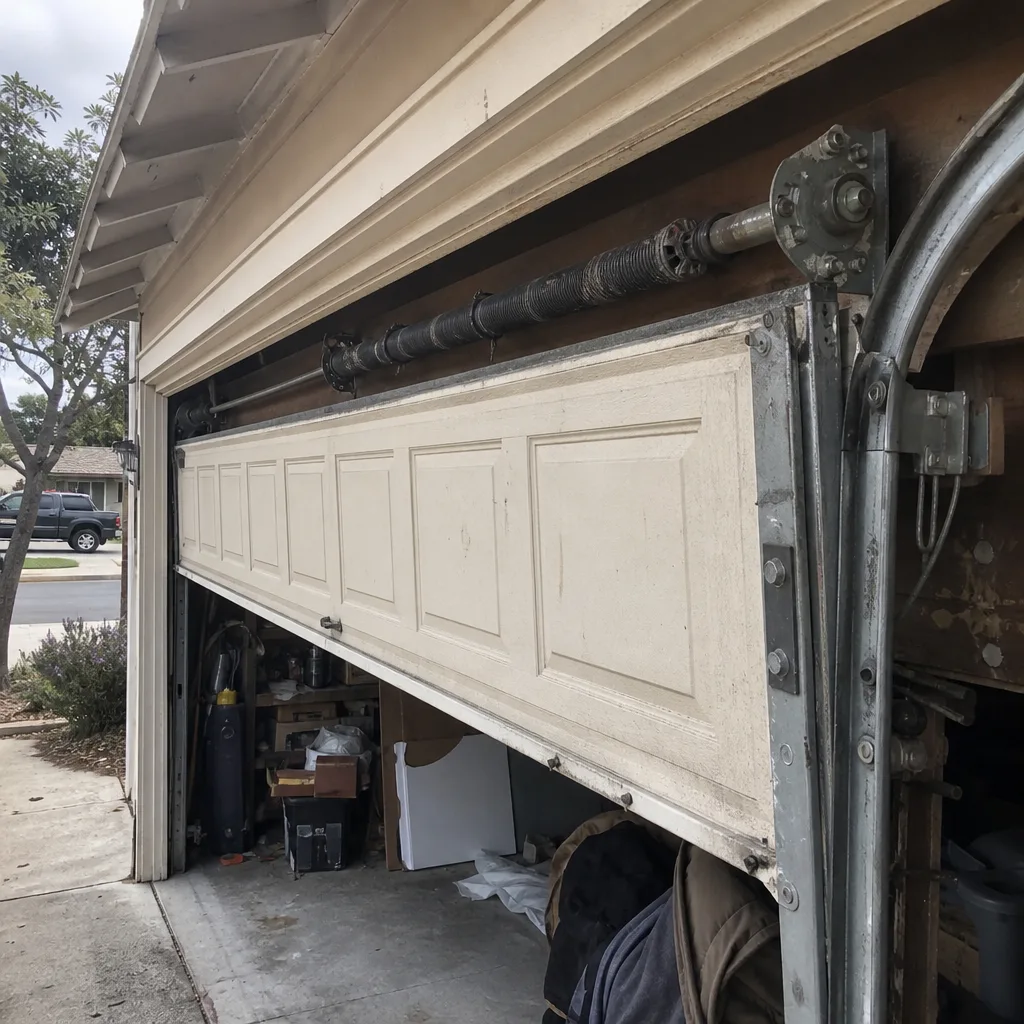 Before
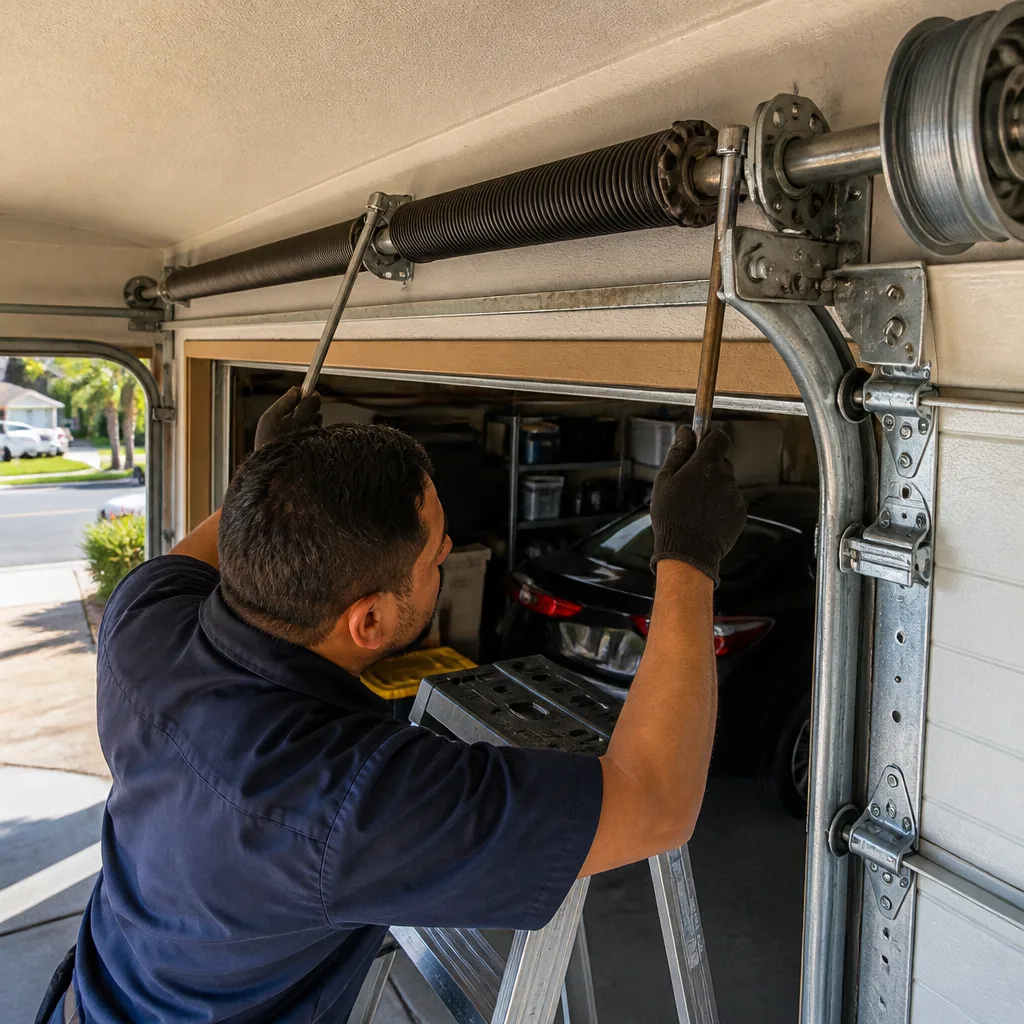 After
After Before
 After
After Before
 After
After