
Last updated October 16, 2026
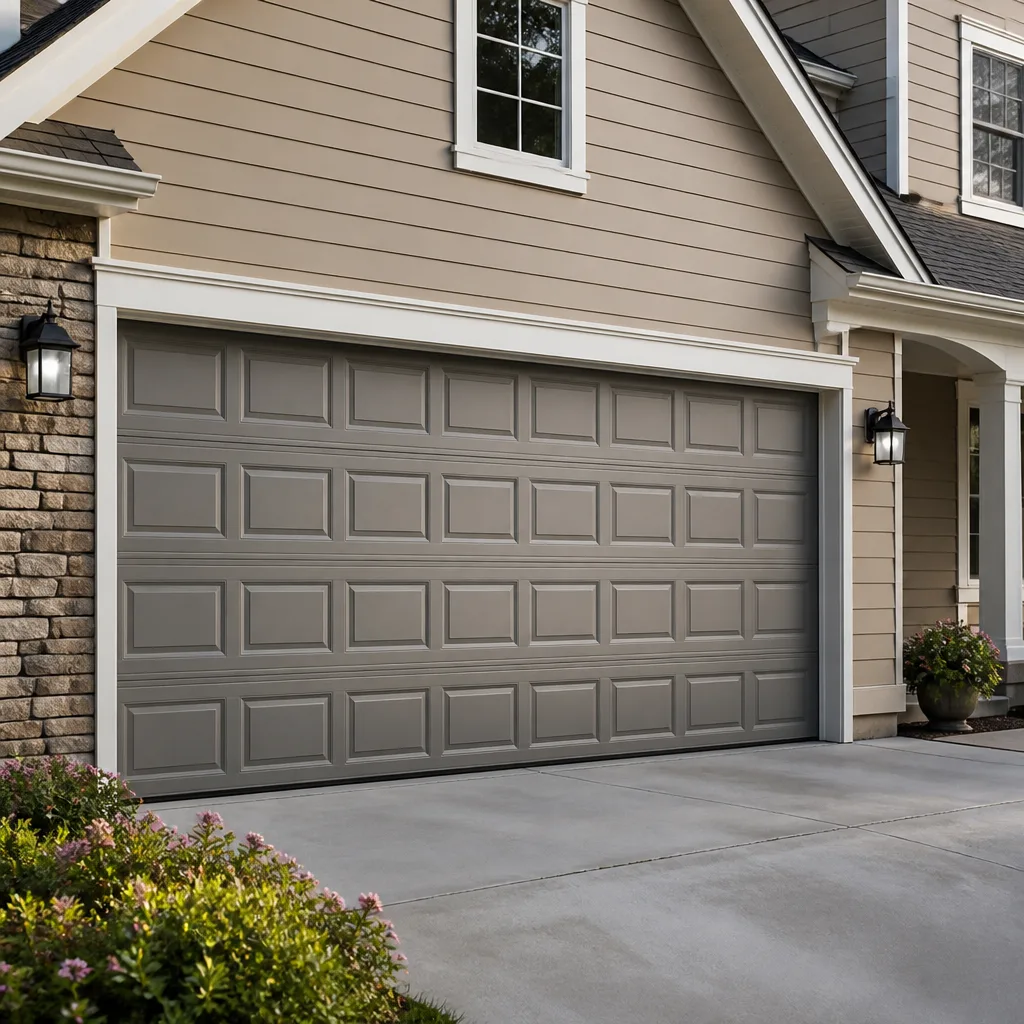 Raised-panel steel
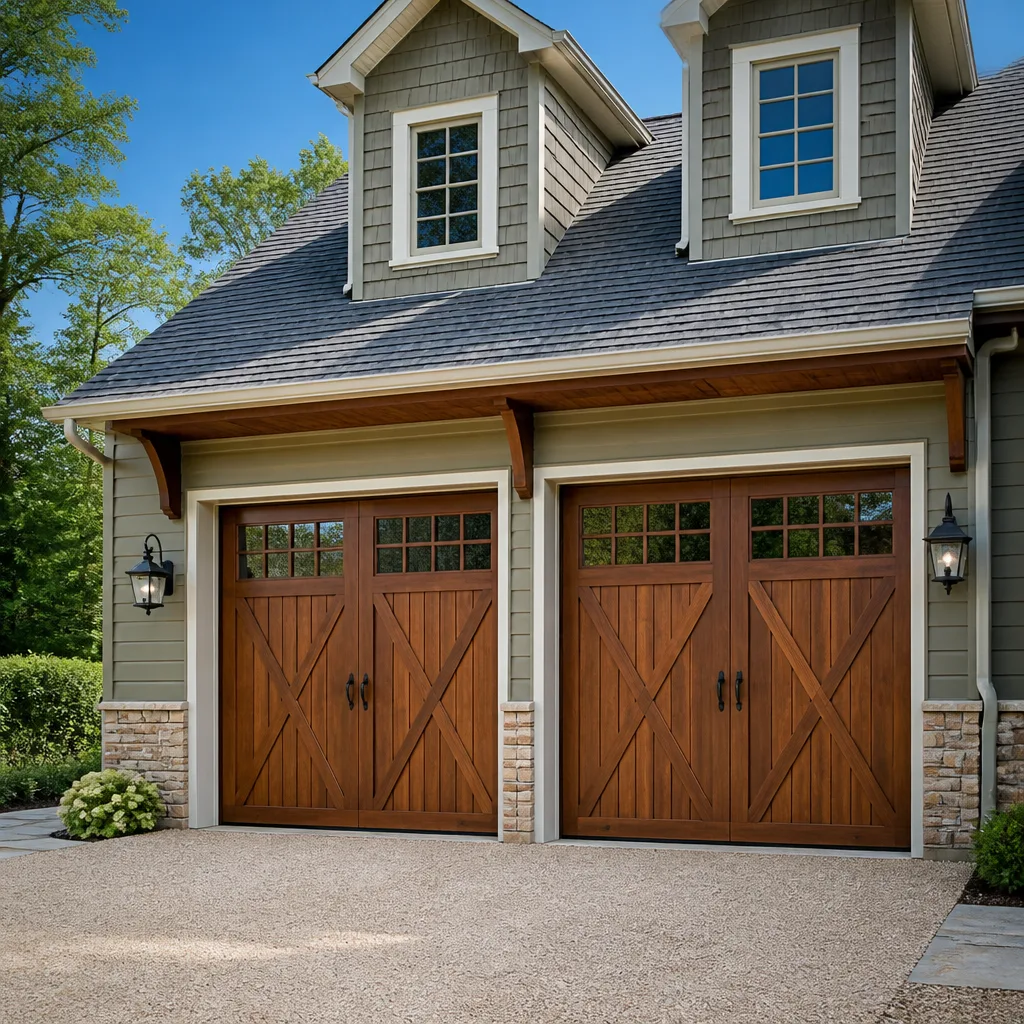 Carriage house
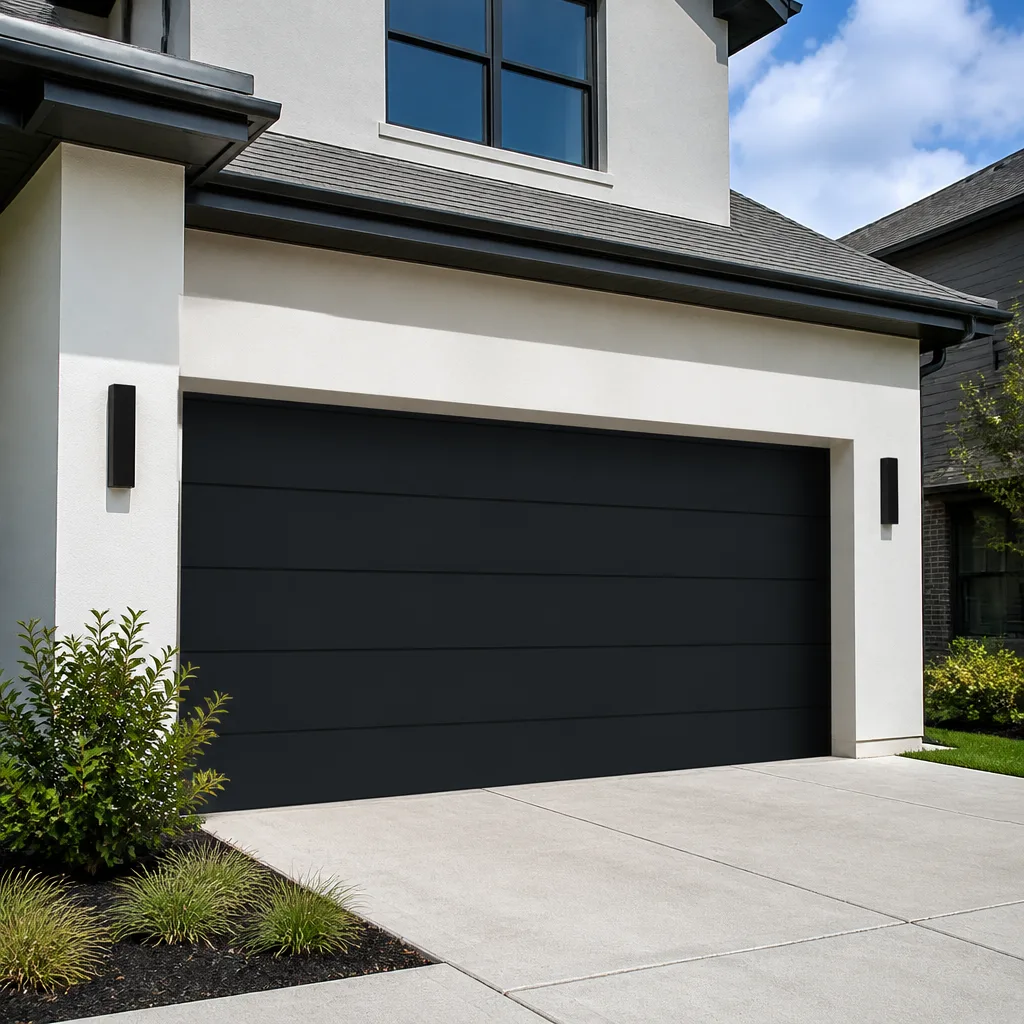 Modern flush
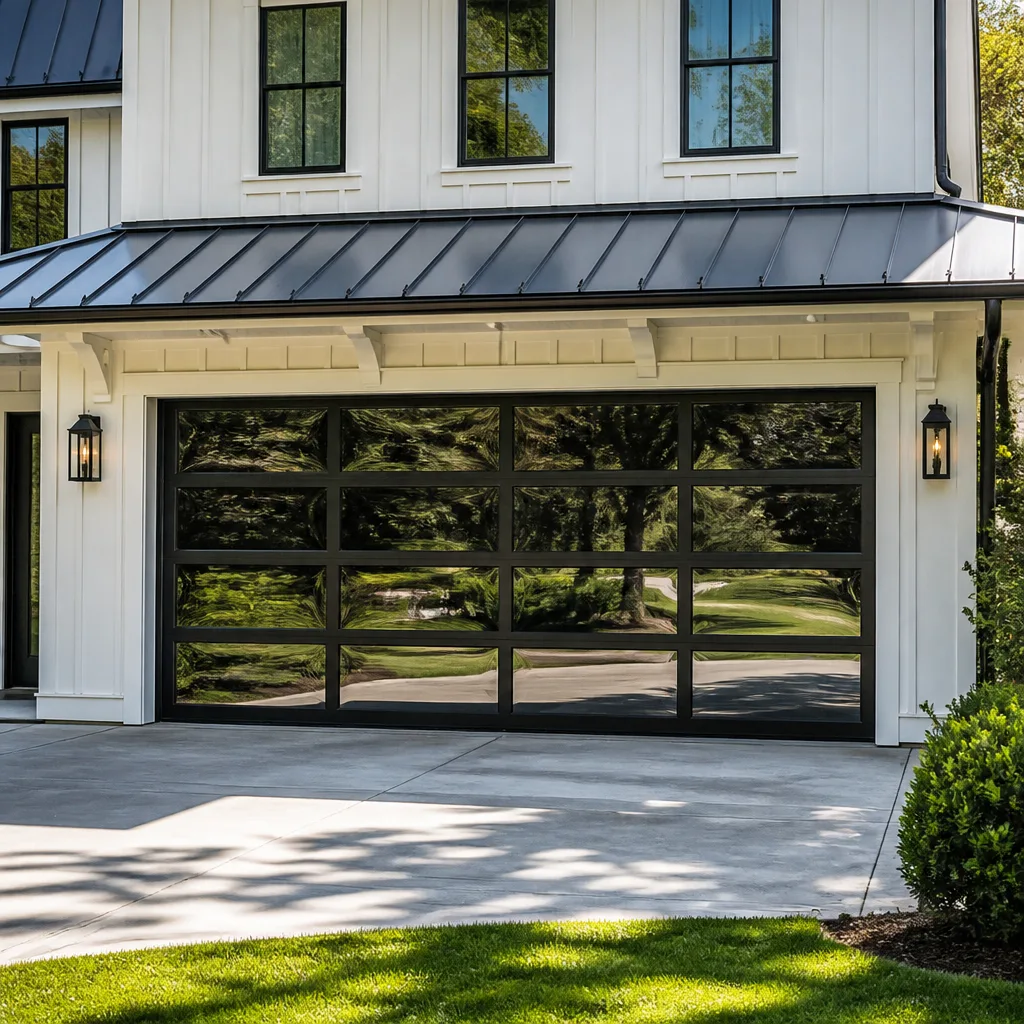 Full-view glass
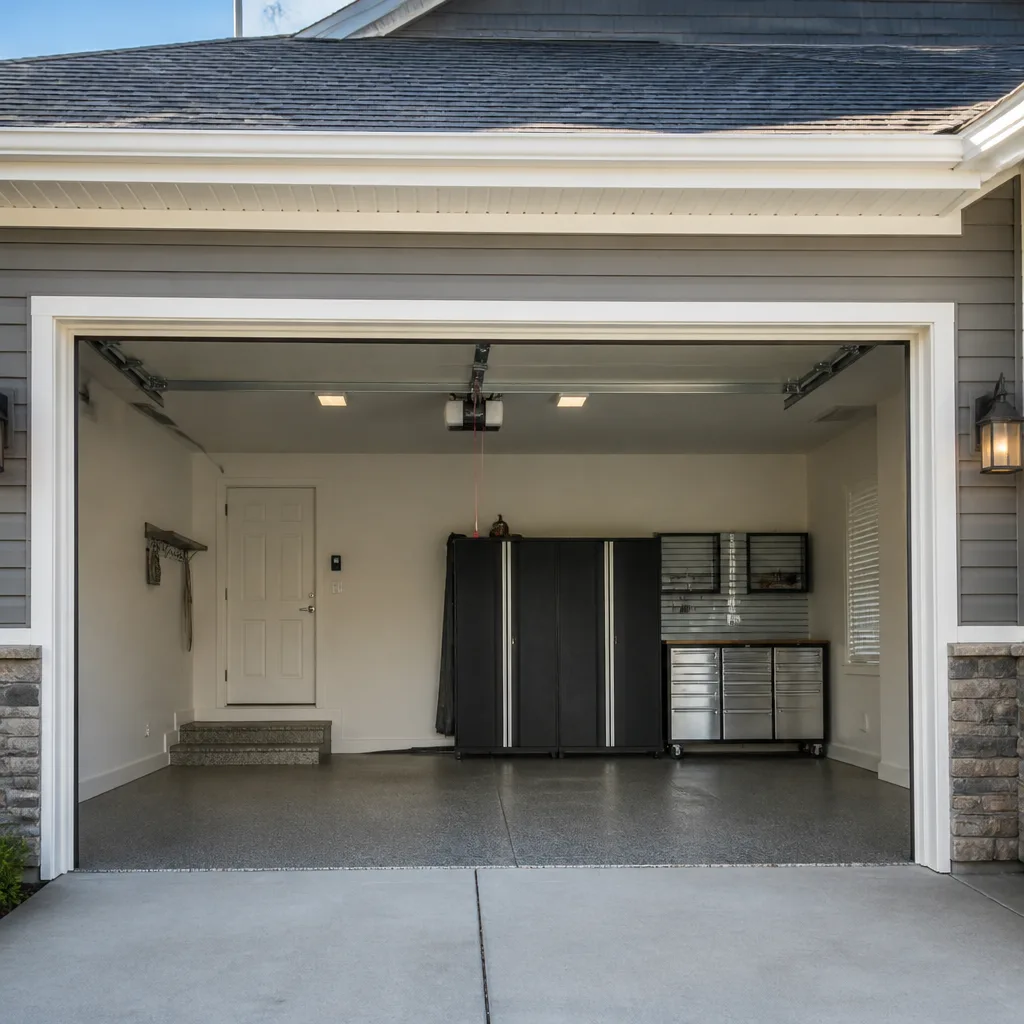 LiftMaster openers
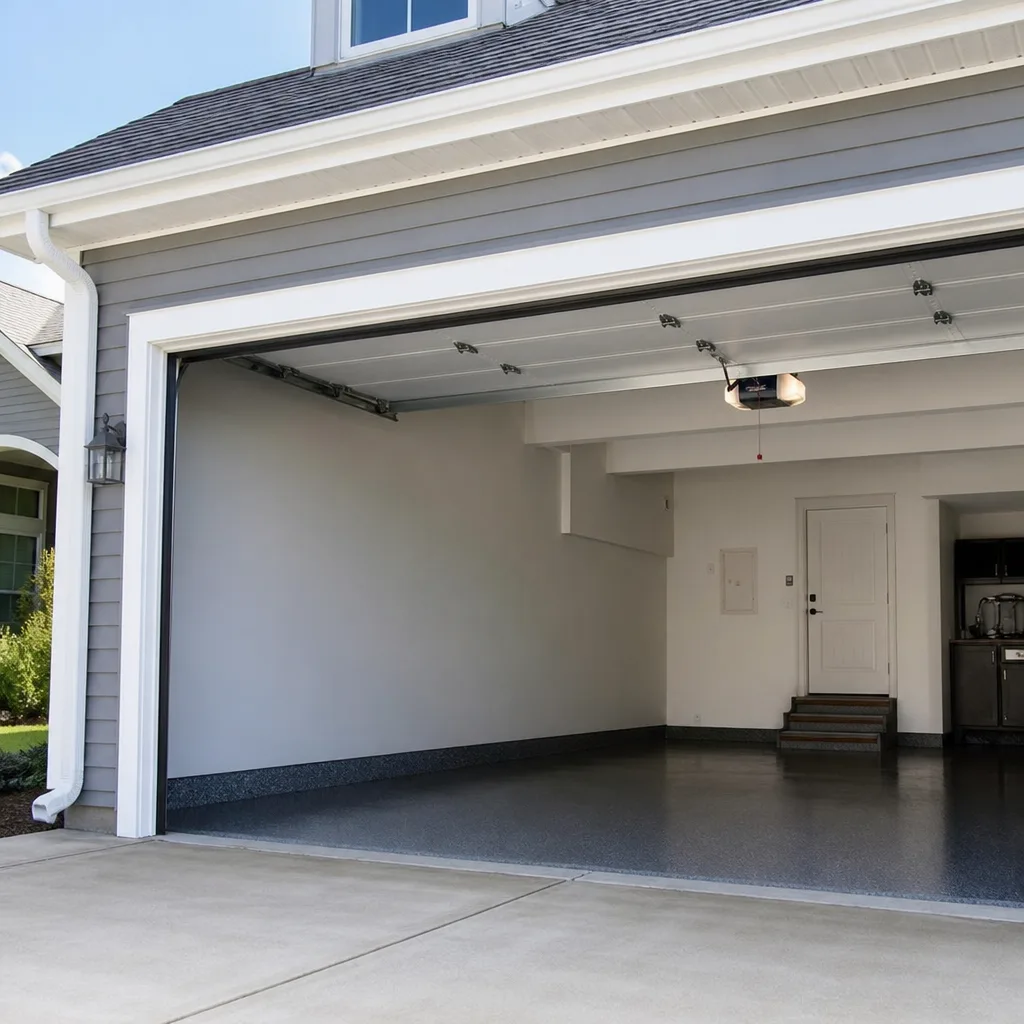 Chamberlain openers
Full 25-point door and opener safety check with every visit - springs, cables, rollers, tracks, and your LiftMaster or Chamberlain opener included
You get a price before we start. It does not change when the truck arrives.
Get your free estimateGarage Door Cost Breakdown: The San Diego Homeowner’s Reference for 2026
Two homeowners in Clairemont and Rancho Bernardo had identical torsion springs snap last March. Same spring size, same door weight, same repair. One paid $189. The other paid $620. Both got a working door at the end of the day. The difference wasn’t the spring, the labor time, or the neighborhood. It was how each company bundled parts markup, labor hours, and service fees under different names, making the two quotes impossible to compare side by side. This guide pulls that pricing curtain back for San Diego specifically, and you’ll find more guides & resources on our blog. You’ll see real 2026 ranges for every common repair, what each line item should and shouldn’t include, and where the padding hides.
Styles & brands we work with
Quick Answer
Most garage door repairs in San Diego run between $125 and $480 in 2026, depending on the component. A torsion spring replacement for a standard double-car door typically costs $150 to $280 parts and labor included, cable replacement runs $95 to $175, and a full roller set replacement lands between $120 and $200. New door installations start around $900 for a basic single-car steel door and climb past $4,000 for insulated full composite on a double-car opening. The single biggest pricing variable isn’t the part, it’s how the company labels its line items.
Table of Contents
- Why San Diego Garage Door Pricing Is Opaque by Design
- Component-by-Component Cost Breakdown for 2026
- Service Call Fees: What’s Legitimate and What’s a Margin Add
- New Door Cost Breakdown for San Diego Homes
- The Parts Markup Conversation: What 20-40% Actually Looks Like
- What Written-Price-Before-Work Actually Costs You
- How San Diego’s Coastal Climate Affects What You’ll Pay
- Common Mistakes to Avoid
- When to Call a Professional
- Frequently Asked Questions
- The Bottom Line
Why San Diego Garage Door Pricing Is Opaque by Design
Garage door repair in San Diego sits in a strange pricing middle ground. It’s not regulated like electrical or plumbing work, so there’s no standardized rate sheet or permit requirement for most repairs-though for full details, see our guide on Garage Door Permits, Codes & Inspections in CA: What You Need to Know. A company can call a line item a trip fee, a dispatch charge, a diagnostic fee, or a service call minimum, and each label changes how the customer perceives the total. One company quotes $189 for a spring and the customer thinks it’s the full price. Another quotes $189 for the spring, then adds a $89 service fee, a $45 disposal charge, and $60 in labor on top. Same spring. Different final invoice. That’s the opacity.
In our experience across neighborhoods from Chula Vista to Encinitas, the quotes that look cheapest on the phone are often the most variable at the door. A company that gives a hard number before seeing the door is either guessing or planning to adjust. A company that gives a range and then commits to a written total after a quick inspection is standard. A company that won’t commit to a written number before starting work is one to hang up on. This guide exists because comparing three San Diego garage door quotes shouldn’t require a spreadsheet and a forensic accountant.
We’re Bramwell Garage Doors San Diego, and we’ve been working under the Kingswell standard since 2001. That means we write the total down before any work starts, every time, without exception. The number you agree to is the number on the invoice. No doorstep adjustments, no surprise line items. This guide uses the pricing we see daily in San Diego and the pricing we hear homeowners quote from competitors.
Component-by-Component Cost Breakdown for 2026
Here’s the direct answer to the question most San Diego homeowners ask us: what should each repair actually cost in 2026? These ranges reflect the San Diego market specifically, including parts, labor, and standard warranty. They assume a licensed, insured company with proper equipment, not a weekend handyman operating out of a pickup truck.
Torsion Spring Replacement: $150 to $280
The torsion spring is the heavy coil mounted horizontally above the door. It handles most of the lifting weight, so when it snaps, the door becomes dead weight that can seriously injure anyone trying to lift it manually. A standard double-car spring replacement in San Diego runs $150 to $280 for the spring, labor, and balancing the door. Single-car doors run slightly lower, usually $130 to $220. The price includes removing the old spring, installing the new one, and adjusting the tension so the door opens smoothly. If a quote comes in under $100, ask what’s excluded, because the labor alone takes 45 to 90 minutes for someone who knows what they’re doing-one of several Garage Door Warning Signs: A San Diego Homeowner’s Reference Guide worth watching for. If it comes in over $400, ask why. Most of the time, the answer is padding.
For a deeper look at this specific repair, see our full Garage Door Spring Repair in San Diego page.
Cable Replacement: $95 to $175
The cables are the steel wires running along each side of the door that connect to the bottom brackets and wrap around the drums at the top. They work with the spring to lift the door evenly. A frayed or snapped cable replacement in San Diego runs $95 to $175 per cable, including labor. If both cables are worn, most companies charge $160 to $280 for the pair, which is a better long-term value than replacing one and paying a second trip charge when the other fails. Cable replacement requires releasing spring tension, so it’s not a safe DIY project.
Roller Replacement: $120 to $200 for a Full Set of 10
Rollers wear down over years of use. Nylon rollers rated for 7 to 10 years of service are standard for San Diego homes. A full set of 10 rollers runs $120 to $200 including labor, with the higher end usually including premium nylon or upgraded bearings. If only two or three rollers are replaced at $25 each, that’s normal pricing, but it often signals the door is aging and the rest will follow within a year or two. Replacing all 10 at once is usually the better spend.
Opener Replacement by Type
Garage door openers in San Diego fall into three categories, and the price difference isn’t about brand, it’s about drive mechanism.
- Chain drive: $280 to $380 installed. The workhorse option. Louder than the alternatives, reliable for decades, and the cheapest to replace. Best for detached garages where noise doesn’t carry into the house.
- Belt drive: $340 to $480 installed. Uses a reinforced rubber belt instead of a metal chain. Noticeably quieter, which matters for attached garages below bedrooms, which covers a lot of San Diego homes built in the 1970s through 1990s.
- Wall-mount (jackshaft): $520 to $720 installed. Mounts on the wall beside the door instead of the ceiling, which frees overhead space for storage racks or car lifts. Popular in newer San Diego townhome communities and homes with taller ceiling plans.
These ranges cover the opener, all mounting hardware, safety sensor alignment, programming remotes and keypads, and haul-away of the old unit. Our technicians service every major opener brand including Genie, LiftMaster, Chamberlain, and Craftsman, and we’re authorized to service Clopay, Amarr, and Wayne Dalton doors.
For a complete breakdown of repair work, visit our Garage Door Repair in San Diego page.
Service Call Fees: What’s Legitimate and What’s a Margin Add
Here’s the line most San Diego homeowners don’t know they can push back on. A service call fee, sometimes called a trip charge or dispatch fee, is legitimate when it covers the cost of getting a technician to your home: fuel, vehicle wear, paid drive time. Most companies in San Diego charge $29 to $89 for this, and the legitimate practice is to apply it toward the repair total. You pay the diagnostic and trip cost upfront, and if you approve the repair, that amount comes off your final invoice.
A service fee charged on top of a completed repair is a margin add, not a cost. If the spring replacement is $240 and there’s a separate $69 service fee line item that doesn’t get credited back, you’re really paying $309 for a spring, and the company is just labeling it artificially low to win the phone call. This is the single most common pricing trick in San Diego garage door repair, and it works because most homeowners don’t ask whether the fee gets applied to the work. The sequence to look for is simple:
- Company quotes a price range over the phone.
- Technician arrives, inspects, and gives a written total.
- The written total either includes the trip charge or lists it as a credit against the work.
- The final invoice matches the written total exactly.
If step 4 doesn’t happen, you’ve got a problem. Under the Kingswell standard, every job starts with a written price before any work begins, and that written total is the final total. No separate service fee on top of an agreed repair price. No disposal surcharge that wasn’t disclosed. No “additional labor” line item after the fact. Marcus Ellery, our owner, has been running jobs this way in San Diego since 2001, and the number of invoice disputes we’ve had in that time is zero. That’s not a claim, that’s how a written-pricing model works.
New Door Cost Breakdown for San Diego Homes
A new garage door is the second-largest purchase most San Diego homeowners make for their home exterior, behind only a roof. The price range is wide, from about $900 for a basic single-car steel door to $4,500 or more for an insulated full composite on a double-car opening. Here’s what actually drives that spread.
Single-Layer Steel: $900 to $1,600 Installed
A single sheet of steel with no insulation core. It’s the cheapest option and fine for detached garages in coastal communities like Pacific Beach or Ocean Beach where the garage stays naturally cool. The downside is noise. A single-layer door transmits street sound and rattles in wind, and it dents more easily than thicker options.
Insulated Double-Layer Steel: $1,400 to $2,800 Installed
Two steel skins with a layer of polystyrene or polyurethane insulation between them. For attached garages, which is most of suburban San Diego from Mira Mesa to Santee, this is the sweet spot. A double-layer door keeps the garage 10 to 15 degrees cooler in August, which means the room above the garage doesn’t get as hot, which means the air conditioning runs less. The price premium over single-layer usually pays for itself in lower cooling costs within three to five years, faster if your garage faces west and takes direct afternoon sun.
Full Composite / Custom Wood: $2,500 to $4,500+ Installed
Composite doors from manufacturers like Clopay and Amarr give the look of wood without the warping, repainting, and swelling problems that actual wood doors develop in San Diego’s marine layer. Custom wood doors still exist and can run past $6,000, but most homeowners in neighborhoods like La Jolla and Del Cerro choose composite for the maintenance profile.
Installation Costs
Installation labor runs $300 to $700 for a standard replacement where the tracks and framing stay in place. If the opening needs new track, new trim, or structural reinforcement (more common in older homes in North Park, South Park, and Golden Hill where the garage framing predates modern door standards), expect another $200 to $500. Haul-away of the old door is usually included in the quote, but ask. Some companies charge $75 to $150 for it and hope the customer doesn’t notice until the invoice arrives.
Our Garage Door Installation in San Diego page walks through the full process, including measuring, ordering, and installation timelines.
The Parts Markup Conversation: What 20-40% Actually Looks Like
Every service business marks up parts. It covers the cost of keeping inventory on the truck, warranty replacement liability, and the time spent sourcing and storing components. The industry standard in San Diego is 20% to 40% above wholesale, and that’s reasonable. A torsion spring that costs the company $55 wholesale sells for $66 to $77. That markup isn’t greed, it’s the cost of having the right part in the truck at 4 p.m. on a Thursday instead of ordering it and coming back next week.
The problem is when markup goes undisclosed or runs well above that range. We’ve seen invoices from other San Diego companies where a $45 wholesale spring was billed at $180, which is a 300% markup. The customer approved the total because they were quoted “parts and labor” without a breakdown, and the breakdown would have revealed the padding. This is why the question to ask any garage door company is direct: “What’s your parts markup?”
If the company answers, even approximately, you’re dealing with someone operating honestly. If they dodge, deflect, or tell you they don’t discuss markup, the markup is almost certainly above 40%, and the quote is probably built to hide it. Under the Kingswell standard, our pricing philosophy is straightforward: we price the job, not the customer. The line item breakdown is available to any San Diego homeowner who asks, and the markup is in normal industry range. No invoice surprises because the total is written down before work starts.
What Written-Price-Before-Work Actually Costs You
There’s a perception that companies like Bramwell Garage Doors San Diego, which insist on a written price before any work starts, must charge more to cover that discipline. The opposite is usually true. Variable-quote companies price in the risk of pushback. They anticipate that some customers will negotiate, some will refuse the inflated total at the door, and some will dispute the credit card charge afterward. All of that risk gets spread across every other customer.
A written-price model removes that overhead. Here’s what the Kingswell standard looks like in practice for a typical San Diego repair call:
- You call. A live person answers 24 hours a day, 7 days a week, including holidays. No voicemail tree, no next-business-day callback.
- We give you a real arrival window. Not “sometime between 8 and 5.” A window we commit to and meet.
- The technician arrives in uniform. Background-checked, identifiable, driving a marked vehicle. You know exactly who’s pulling into your driveway.
- Inspection and written quote. The tech looks at the door, explains what’s needed in plain language, and writes the total down. That number includes parts, labor, and any fees. It’s the final number.
- You approve or decline. No pressure, no doorstep discount if you hesitate, no price change if you say yes.
- The work gets done, and the site gets cleaned. We leave the garage neater than we found it. Old parts go with us unless you want them.
- You get a written guarantee. The 365-Day Done Right Promise is in writing on every job. If the repair fails within a year, we come back and fix it at no charge. That’s not a verbal promise, it’s the written term of the job.
The cost of this model to the customer is zero extra dollars. It’s the same parts, same labor, same market pricing. The difference is you know the number before the work starts and you have a written guarantee after it ends. For San Diego homeowners who’ve been burned by a no-show, a doorstep price change, or a repair that failed six weeks later, that’s the whole point.
How San Diego’s Coastal Climate Affects What You’ll Pay
San Diego’s climate is mild by national standards, but it has two specific effects on garage door pricing that don’t show up in national cost guides. First, the marine layer brings moisture and salt air to coastal neighborhoods from Coronado up through Carlsbad. That accelerates rust on springs, cables, and track hardware, particularly on doors that face west or are within half a mile of the water. A spring that might last 12 years in Santee can fail in 7 years in Point Loma. That means coastal San Diego homeowners pay more over time, not because companies charge more per repair, but because repairs happen more often.
Second, San Diego’s inland valleys see real heat. An attached garage in El Cajon or Escondido can hit 110 degrees inside during a July afternoon. That heat is hard on opener motors, which run hotter and burn out capacitors faster than the same unit would in a milder climate. It also means insulation matters more than the national average suggests. The $400 to $600 premium for an insulated double-layer door over single-layer steel is a smaller percentage of a San Diego cooling bill than it is in, say, coastal Orange County, because the inland heat is genuinely intense for three months of the year.
The practical takeaway: coastal homeowners should expect spring and cable replacement slightly more often than national averages, and inland homeowners should weight insulation more heavily in new door decisions. Both factors show up in real San Diego pricing that a generic national guide won’t tell you.
Common Mistakes to Avoid
- Approving a verbal quote. A price spoken at the door but never written down is not a quote, it’s a starting point for negotiation. Get the total in writing before any work starts.
- Paying a service fee that isn’t credited toward the repair. A fee on top of a completed repair is double charging. Ask whether the trip charge applies to the work before you approve anything.
- Replacing one roller or one cable at a time. These components wear on similar schedules. Replacing one and paying a second trip charge when the next fails is more expensive than doing the full set once.
- Choosing a door by price alone. A single-layer steel door on an attached garage in an inland San Diego neighborhood will cost more in cooling over its lifetime than the $400 saved upfront.
- Skipping the written guarantee conversation. Ask what the guarantee covers, for how long, and whether it’s in writing. If the answers are vague, the guarantee is probably worthless.
- Not asking about parts markup. A company that won’t state its markup range is usually hiding a markup far above the industry standard of 20 to 40%.
- Trying to DIY a torsion spring or cable repair. The torsion spring stores enough tension to kill or maim. This is not a YouTube learning opportunity. A $200 professional repair is not the place to save money.
When to Call a Professional
Call a professional the moment a spring snaps, a cable frays, or the door starts jerking or binding during travel. These are load-bearing failures, and the door can become uncontrollable at any moment. The torsion spring stores enough tension to cause serious injury or death if released improperly, and cables under load can cut through skin and bone. This is the one repair where attempting it yourself isn’t a money decision, it’s a safety decision. Also call if the door reverses before touching the ground or won’t close at all, which are sensor and limit switch issues, or if the opener makes a grinding sound and stops mid-travel. Bramwell Garage Doors San Diego offers free estimates throughout San Diego, and a live person answers at (619) 374-2463 around the clock.
Frequently Asked Questions
Most individual repairs in San Diego run between $125 and $480 for 2026, with spring replacement at $150 to $280, cables at $95 to $175, rollers at $120 to $200 for a full set, and openers at $280 to $720 depending on drive type. The range reflects San Diego market pricing with a licensed, insured company. Call (619) 374-2463 for a written quote on your specific repair, with no obligation.
Yes. Bramwell Garage Doors San Diego offers same-day service for most repairs, and a live person answers the phone 24 hours a day, 7 days a week, including nights, weekends, and holidays. Call (619) 374-2463 and we’ll give you a real arrival window.
Not with us. The written price comes after inspection, which means the technician has already seen the door, the spring size, the track condition, and everything else relevant. The total on that written quote is the total on the invoice. No doorstep adjustments, no surprise fees. That’s the Kingswell standard, in writing, on every job.
Yes. Our San Diego trucks carry torsion springs in the most common sizes, cables, rollers, hinges, sensors, and opener components for all major brands including Genie, LiftMaster, Chamberlain, Clopay, Amarr, and Wayne Dalton. Most repairs are completed on the first visit. If a specialty part is needed, we’ll tell you the timeline and order it before leaving.
It covers the repair we did. If a covered repair fails within one year of the service date, we come back and correct it at no charge. The promise is written on every job, not spoken at the door, so you don’t have to remember the conversation or find the warranty card. Call us at (619) 374-2463 and a live person will schedule the return visit.
Installed prices in San Diego for 2026 start around $900 for a basic single-car steel door, run $1,400 to $2,800 for insulated double-layer steel, and range $2,500 to $4,500+ for full composite. Installation labor adds $300 to $700 for a standard replacement. We offer free in-home measurements and written quotes, so the number you see before ordering is the number you pay at installation.
The Bottom Line
San Diego garage door pricing is opaque because companies profit from confusion. Two quotes for the same torsion spring repair can vary by hundreds of dollars, not because the parts or labor differ, but because the line items are labeled differently. The fix for homeowners is simple: ask for a written total before work starts, confirm the service fee applies toward the repair, ask about parts markup, and insist on a written guarantee. Those four questions eliminate most of the pricing games in the San Diego market. If you’re ready to skip the games entirely, call (619) 374-2463 for a free estimate from Bramwell Garage Doors San Diego. Written price, real arrival window, clean job site, written guarantee. That’s the Kingswell Way, and it’s been the standard here since 2001.
Written by Marcus Ellery, Owner at Bramwell Garage Doors San Diego, serving San Diego since 2001.
See the difference
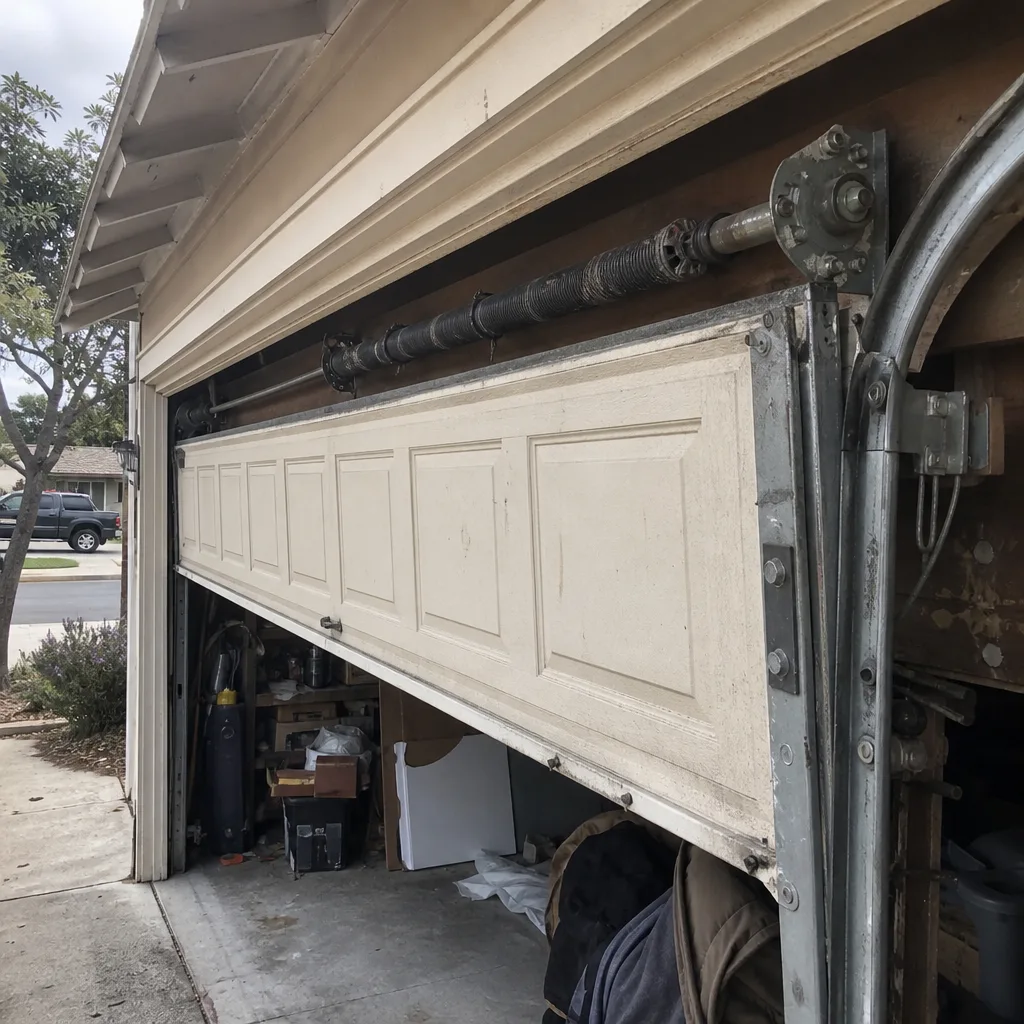 Before
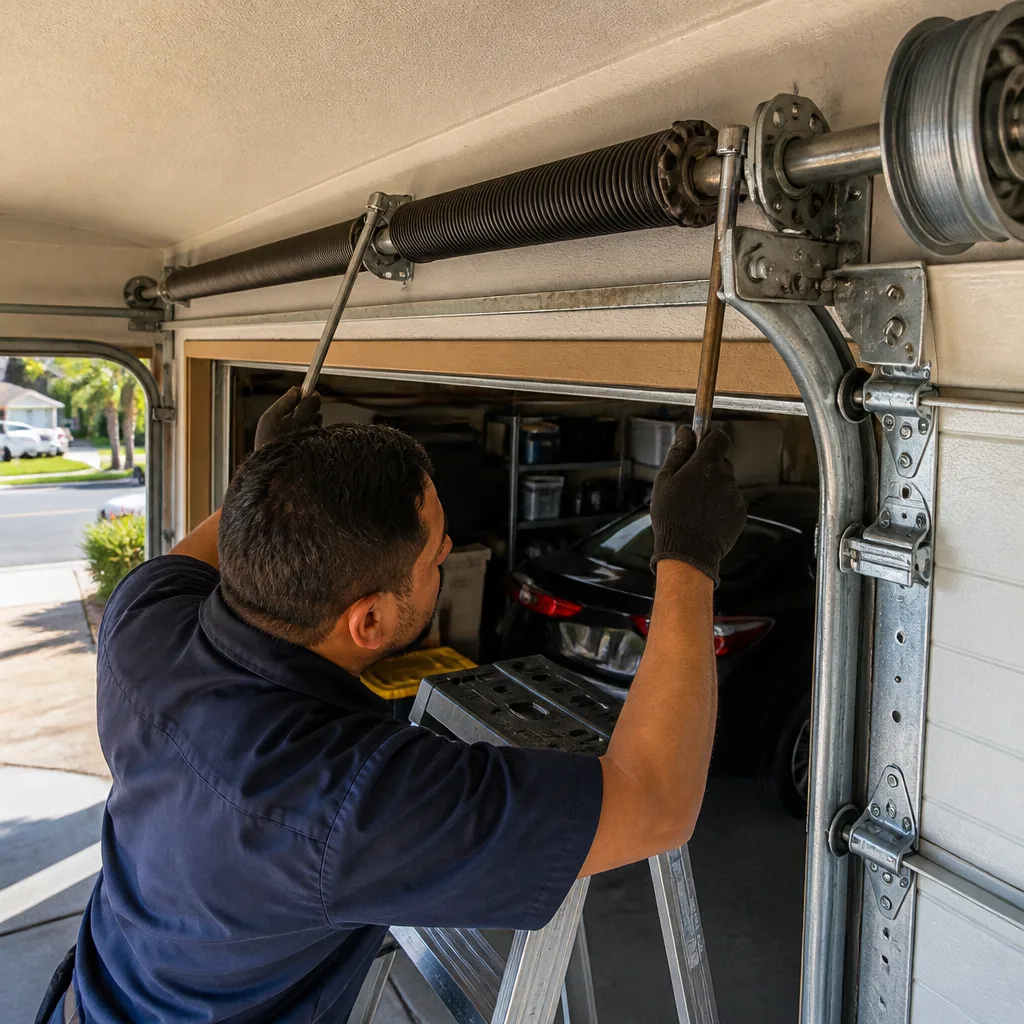 After
After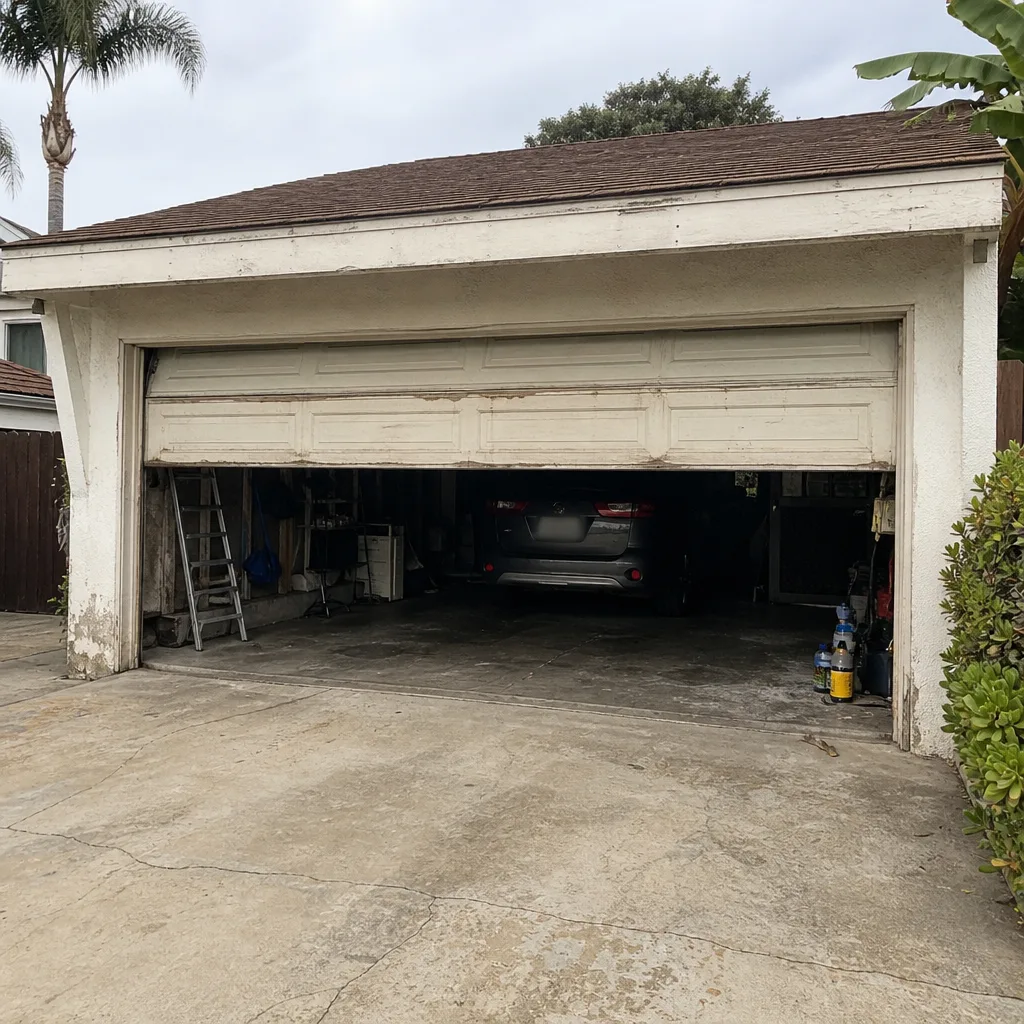 Before
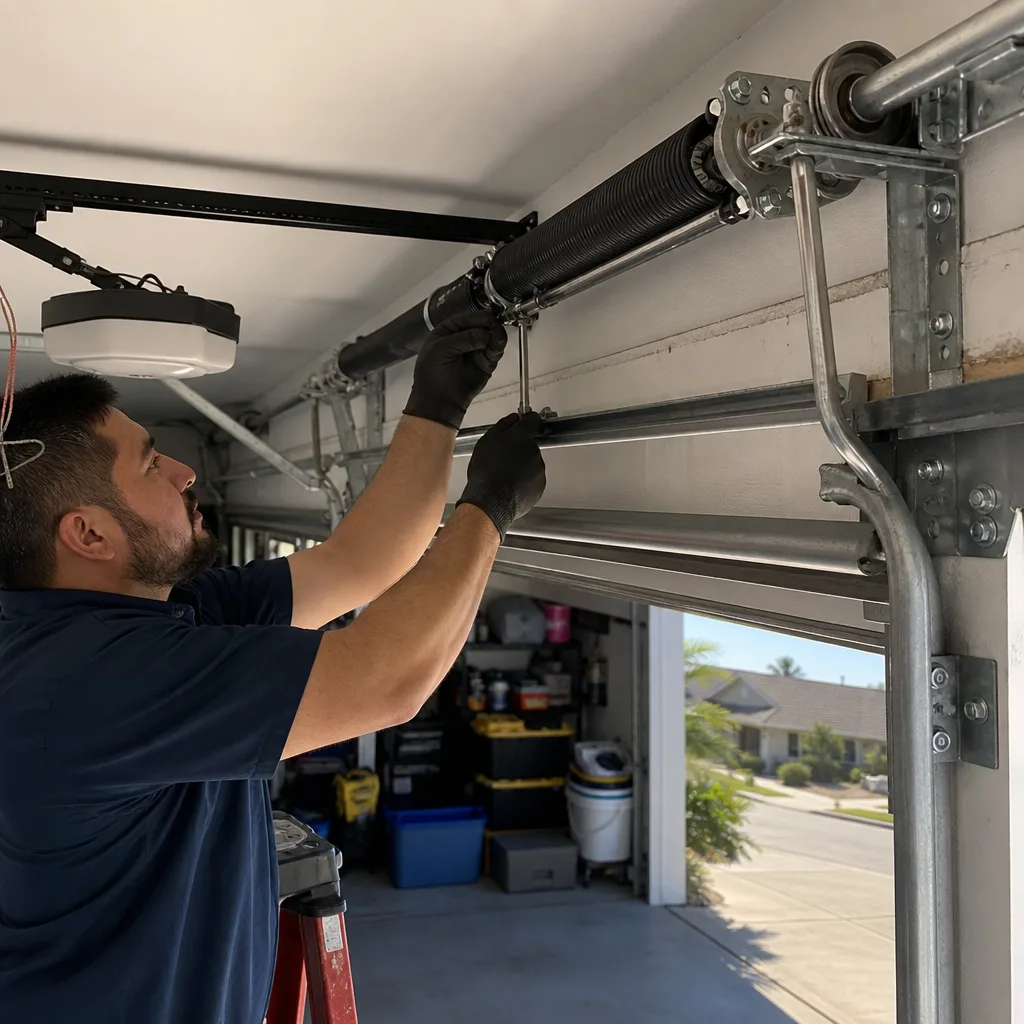 After
After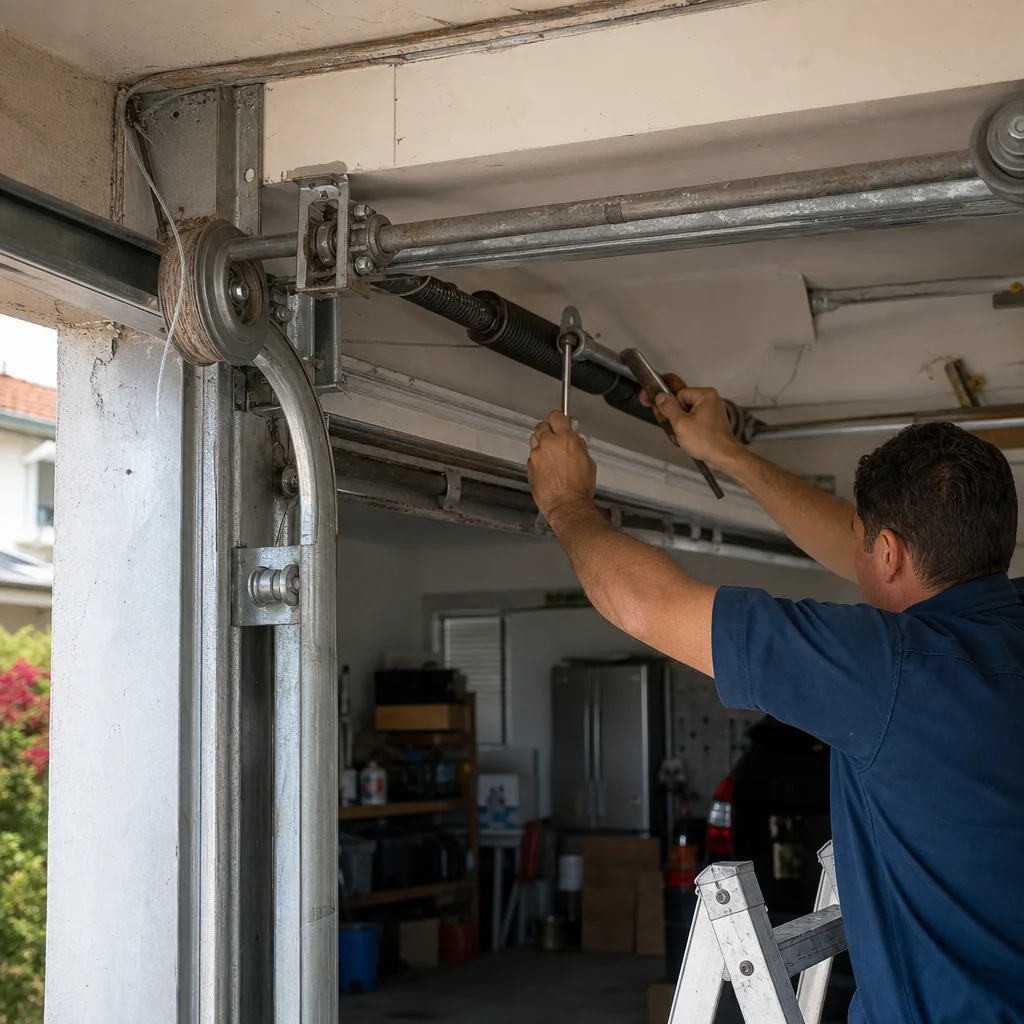 Before
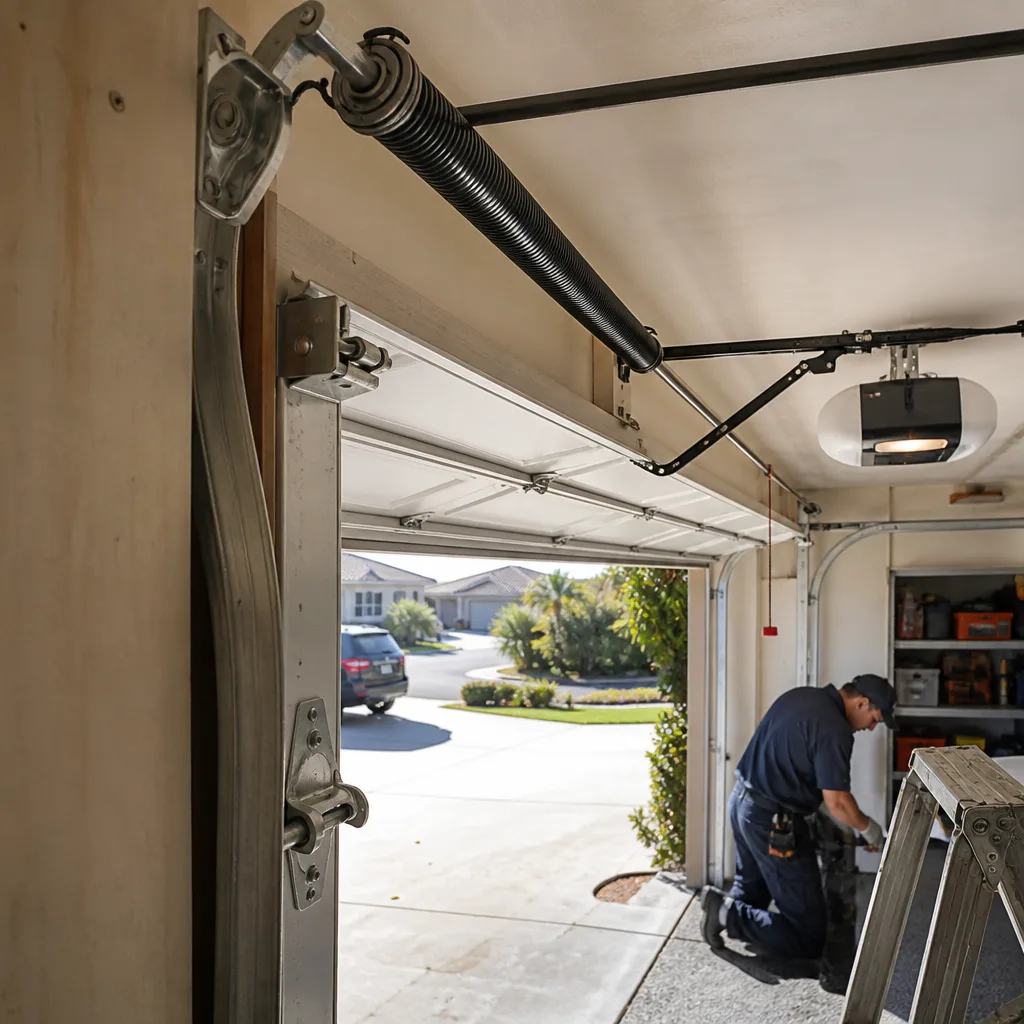 After
After